
-
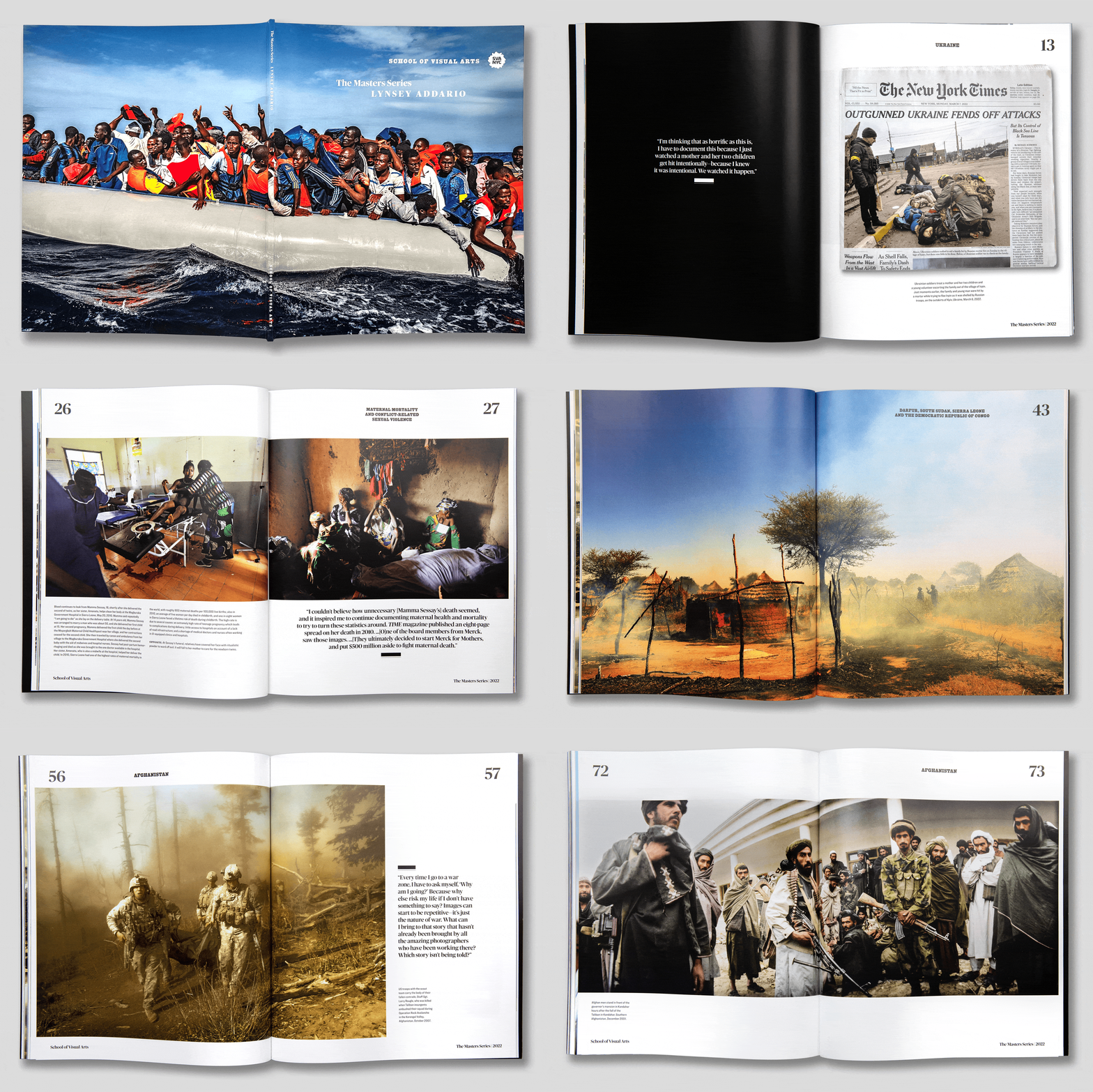
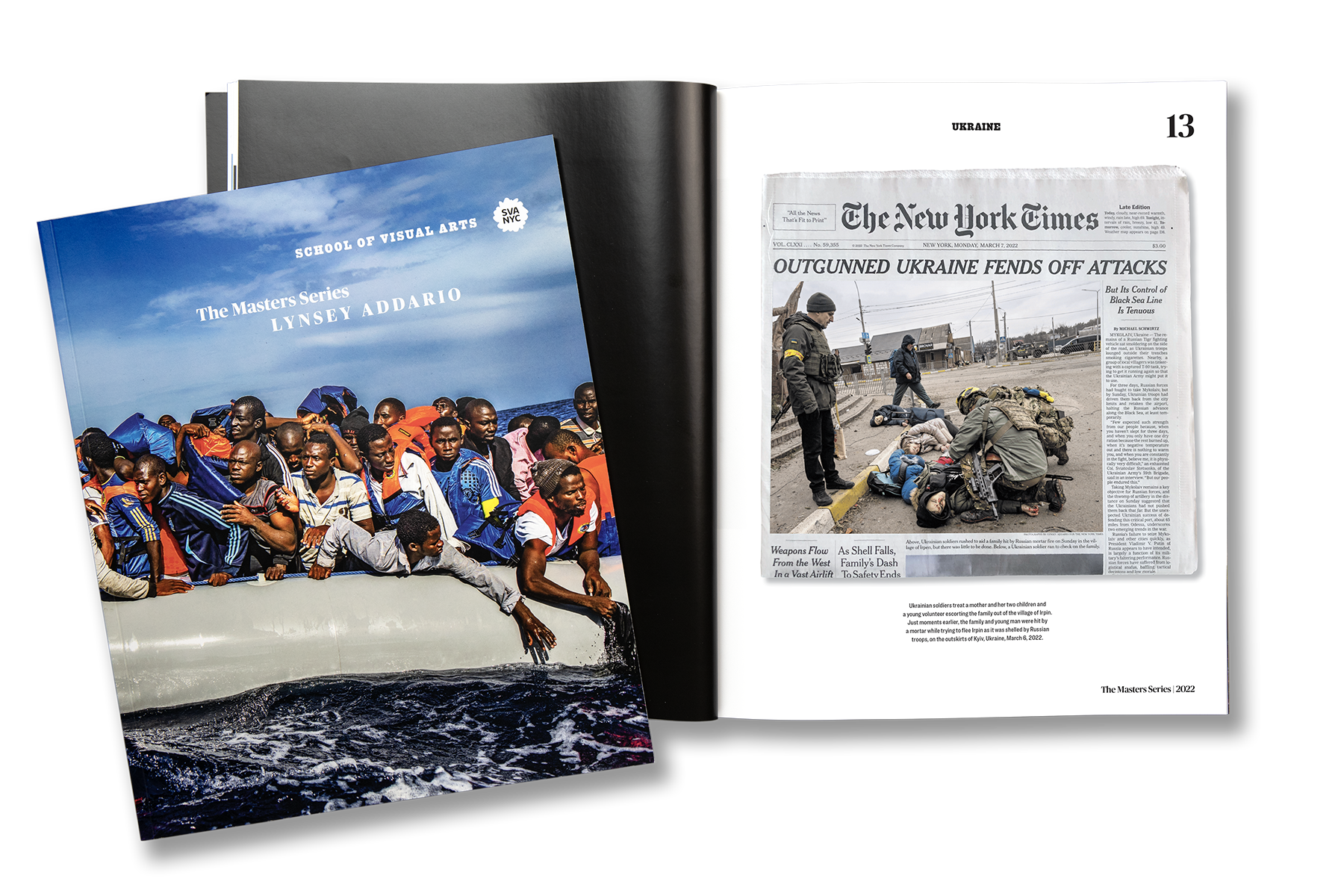
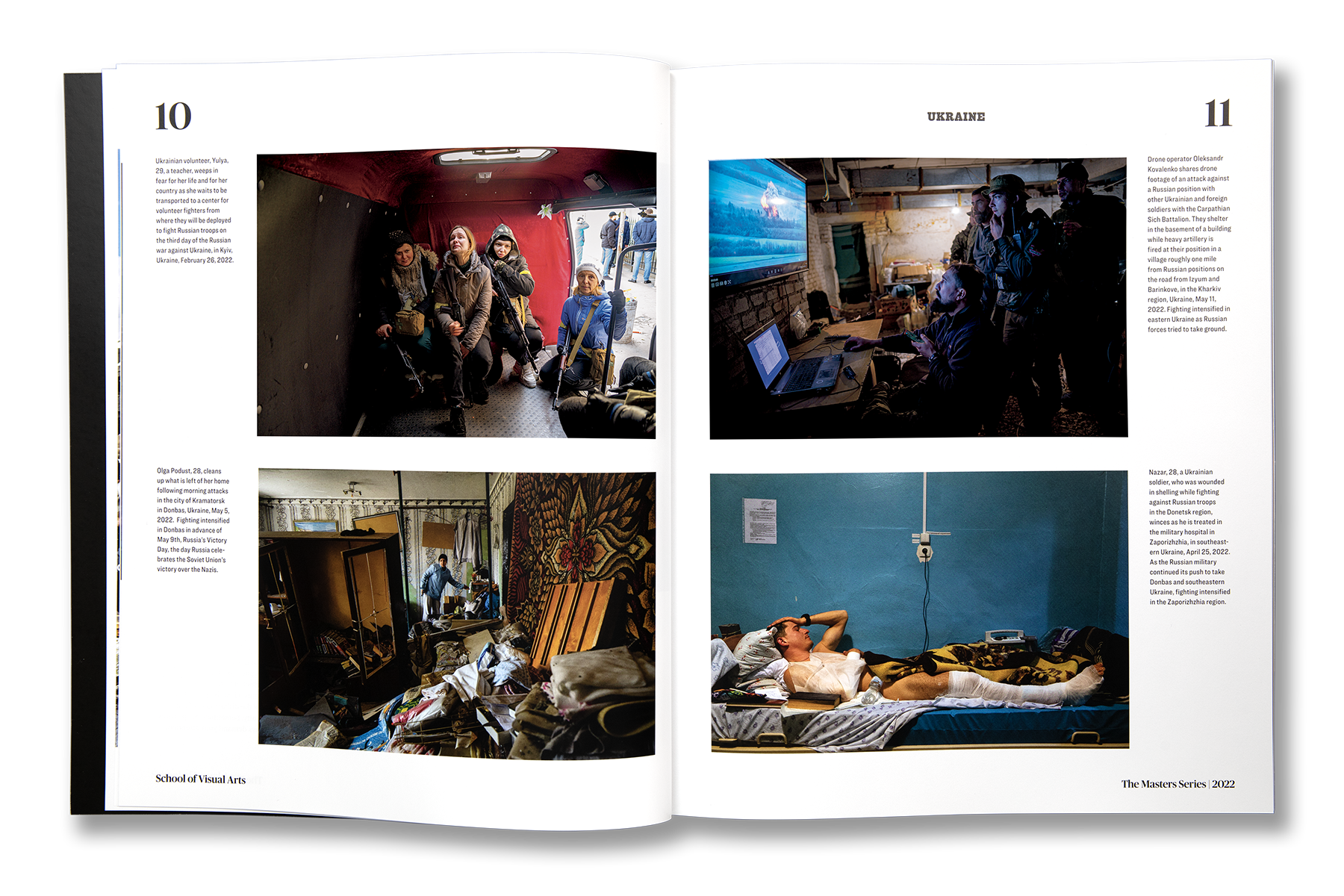
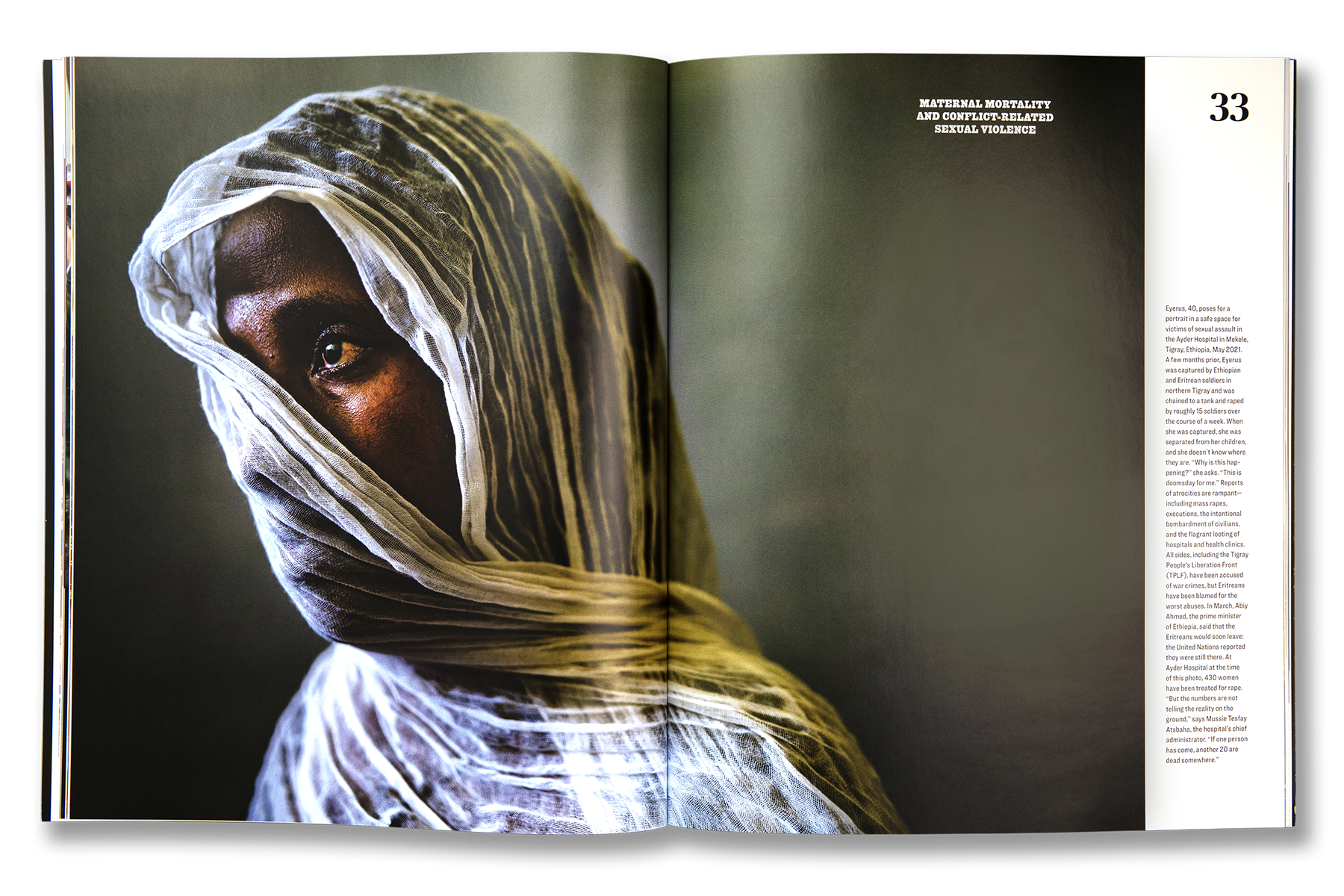
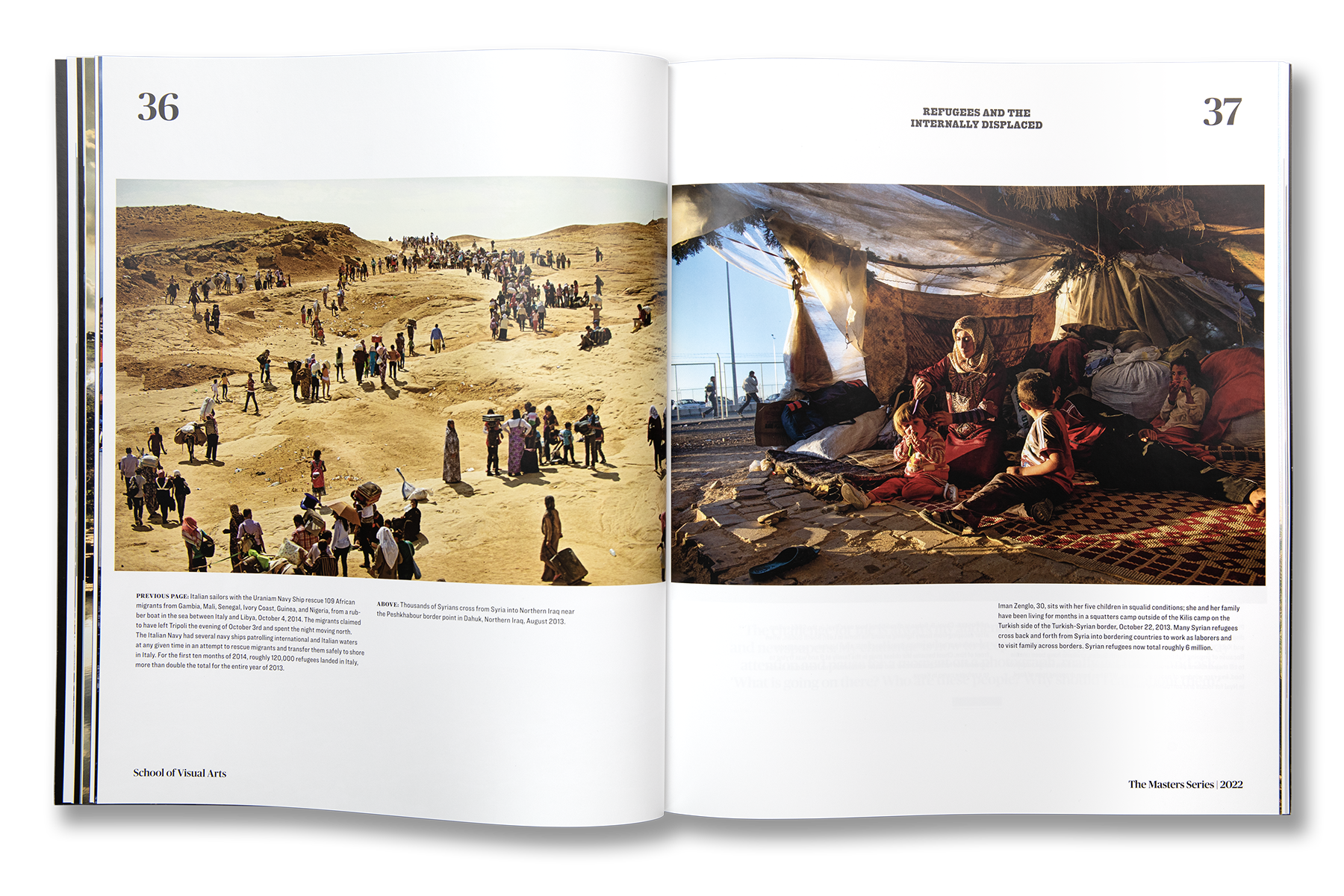
One of the most meaningful projects of my career was designing the exhibition book honoring Pulitzer Prize–winning photojournalist Lynsey Addario, recipient of the 2022 Masters Series Award at the School of Visual Arts. Conceived as both a companion to the exhibition and a lasting historical record, the book presents Addario’s uncompromising photographic coverage from Iraq, Afghanistan, Ukraine, and other conflict zones across more than two decades of reporting.
The design approach was intentionally restrained and reverential, allowing Addario’s images—at once devastating and deeply humane—to lead. Through careful pacing, typography, and image sequencing, the book underscores the emotional and ethical weight of her work, foregrounding the lived experiences of civilians, refugees, and women affected by war. The result is a publication that not only documents global conflict, but also invites sustained looking, reflection, and empathy—echoing Addario’s belief in photography as evidence, as memory, and as a catalyst for awareness and action.





-
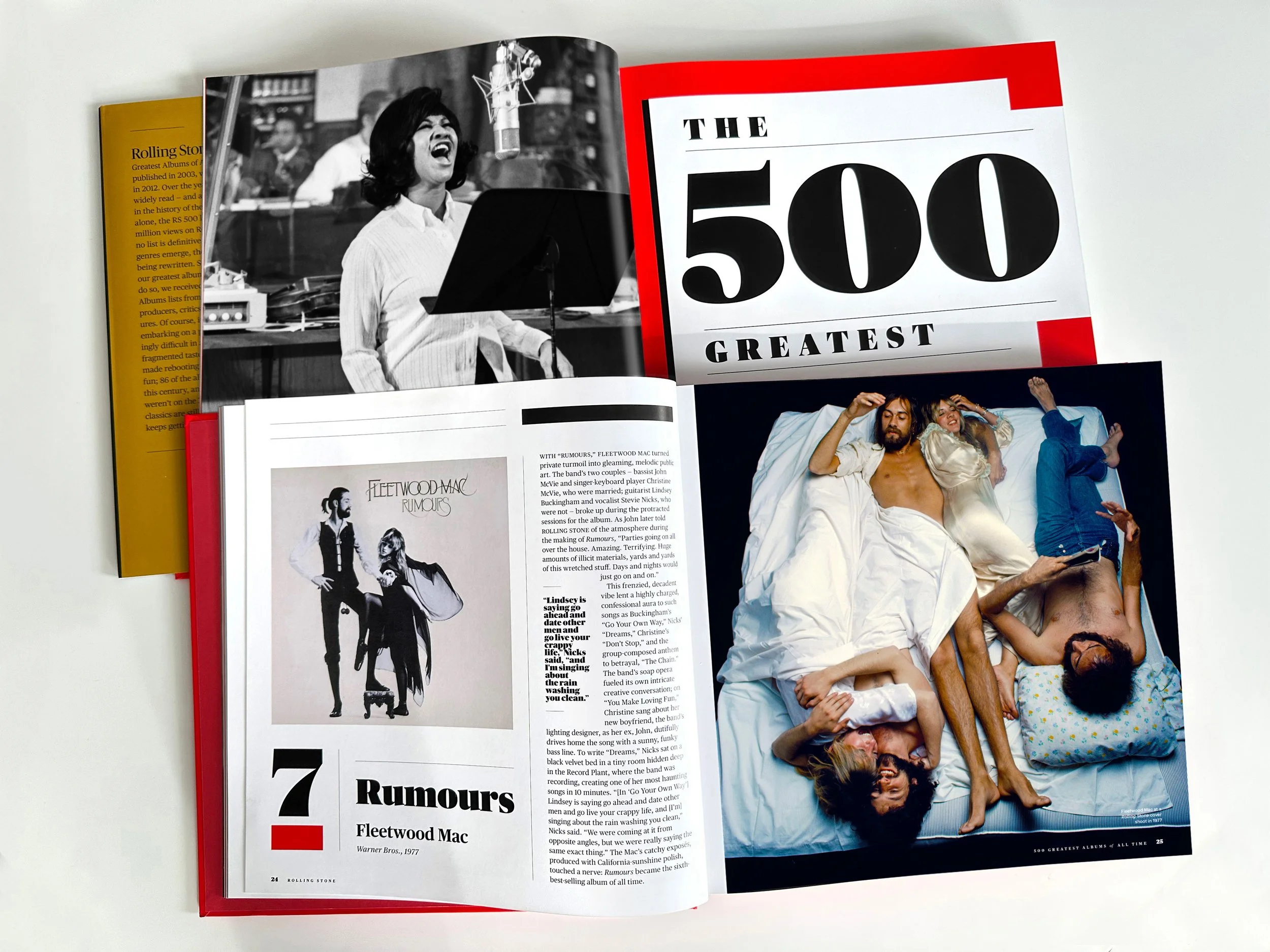
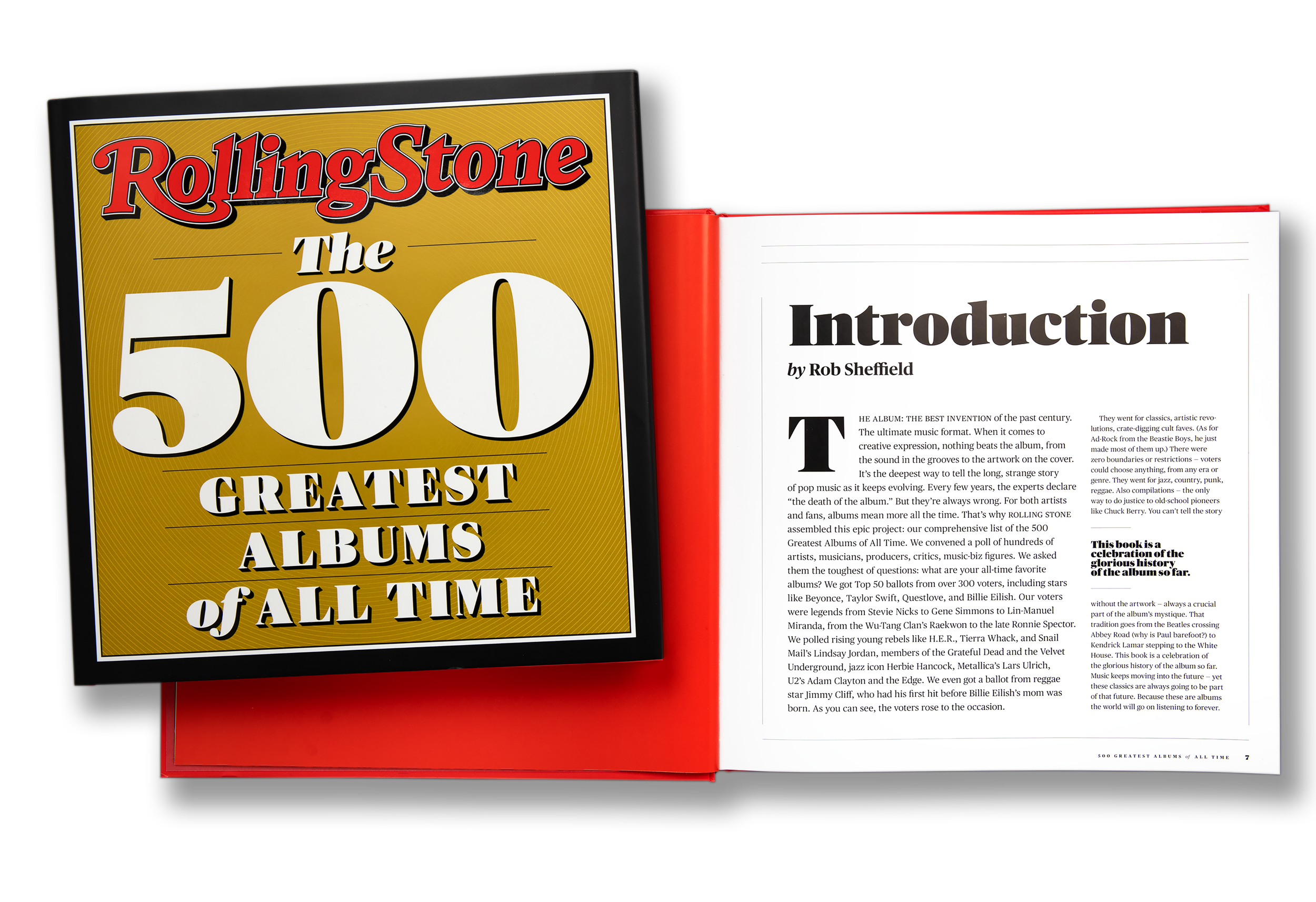
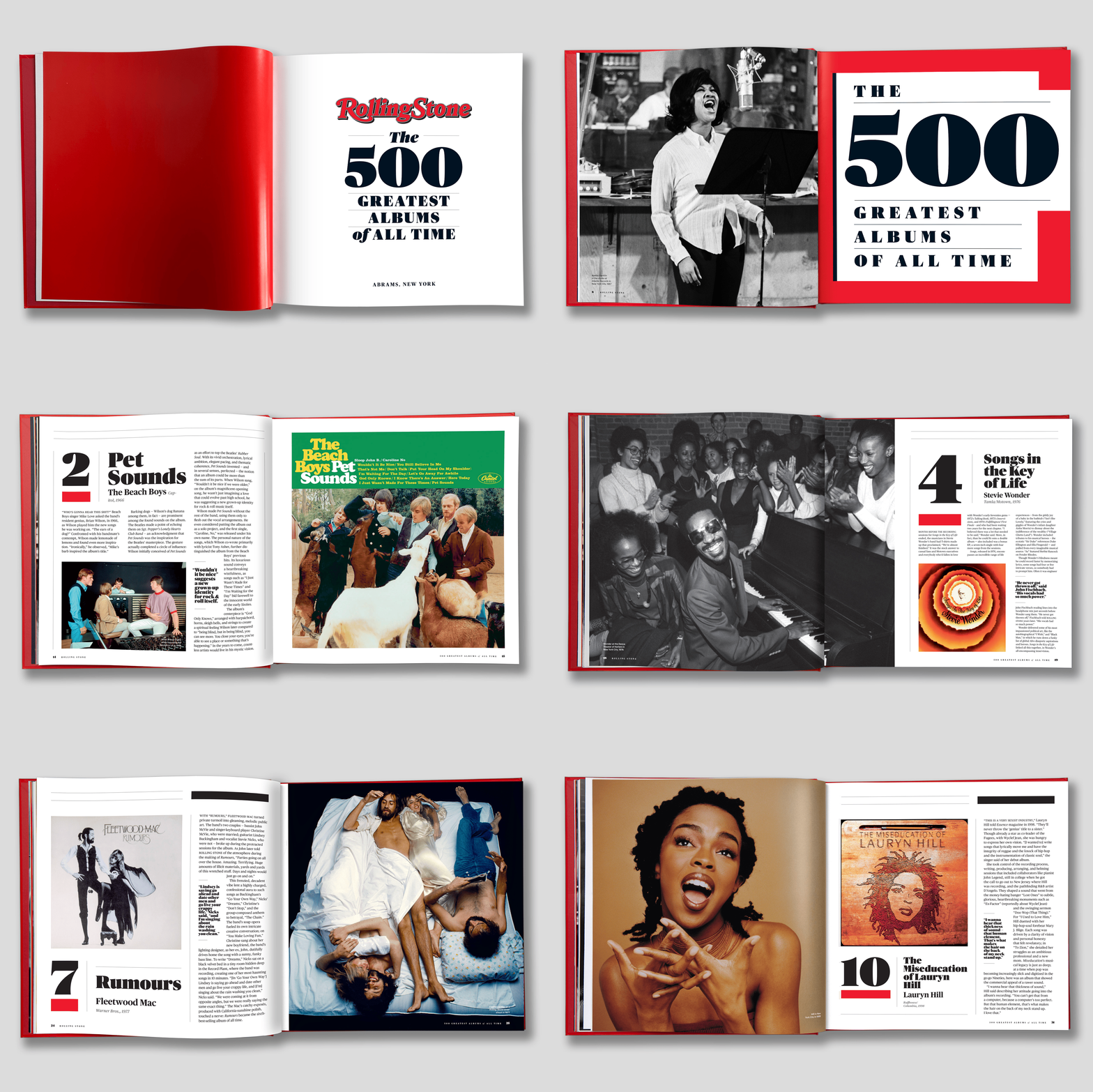
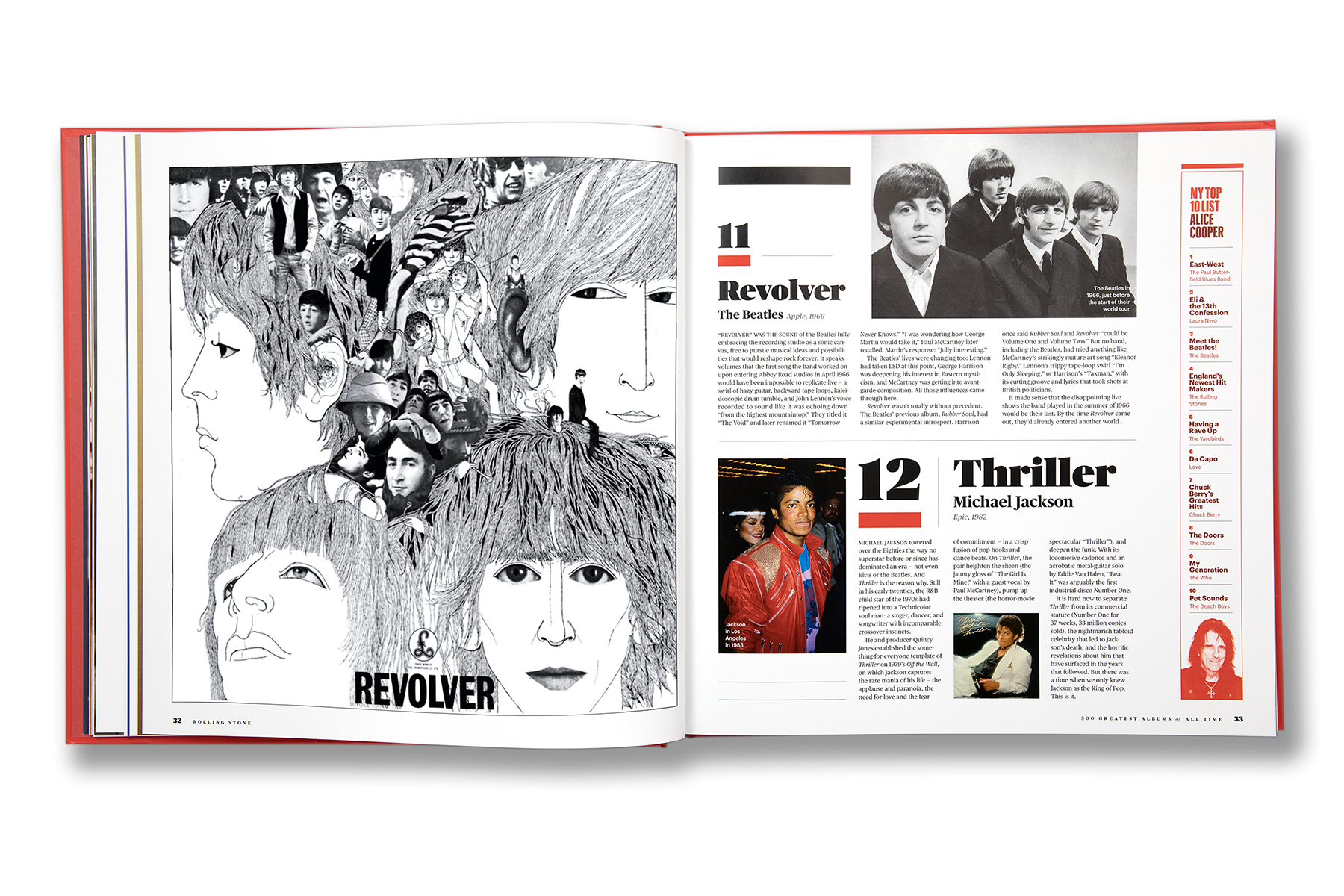
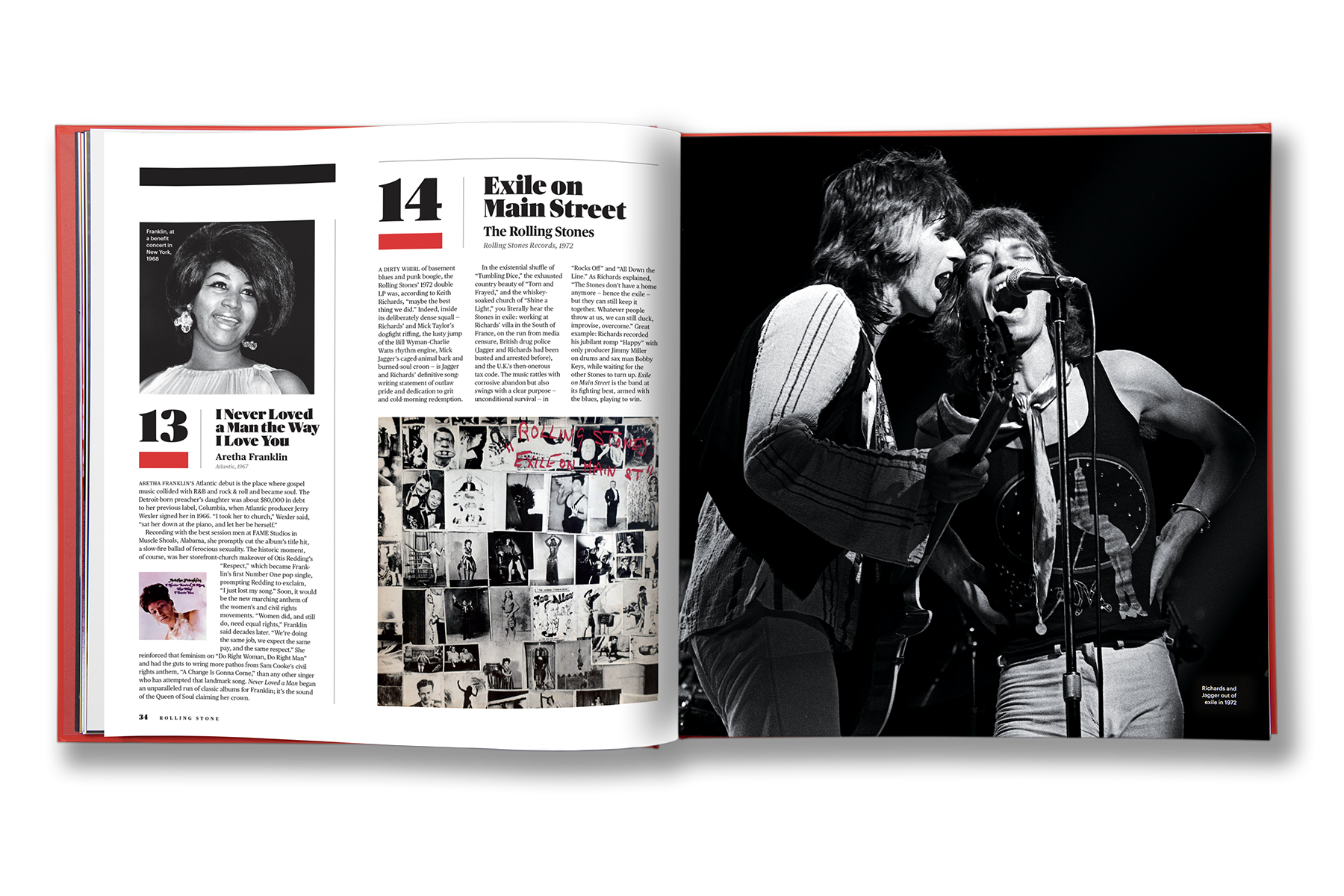
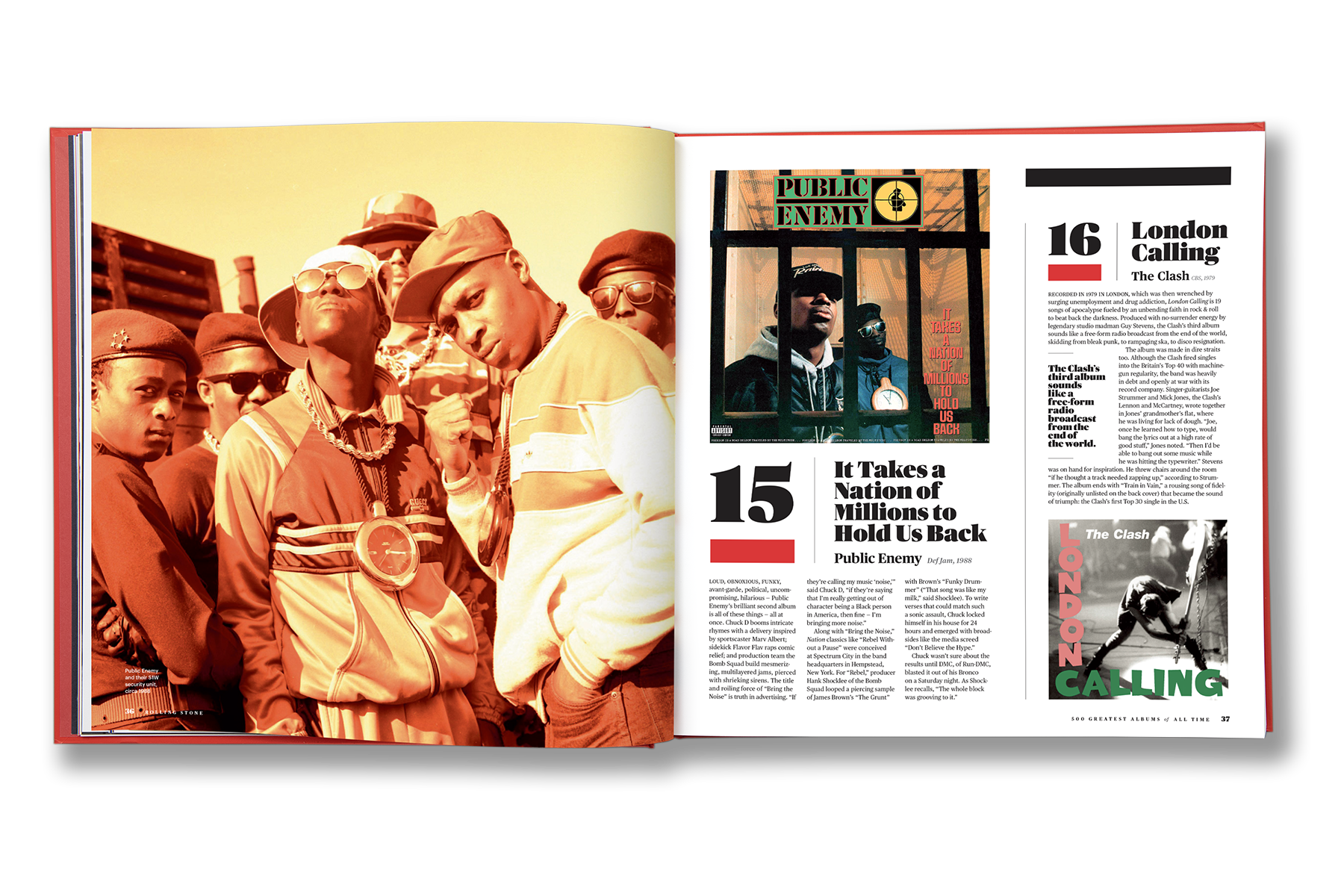
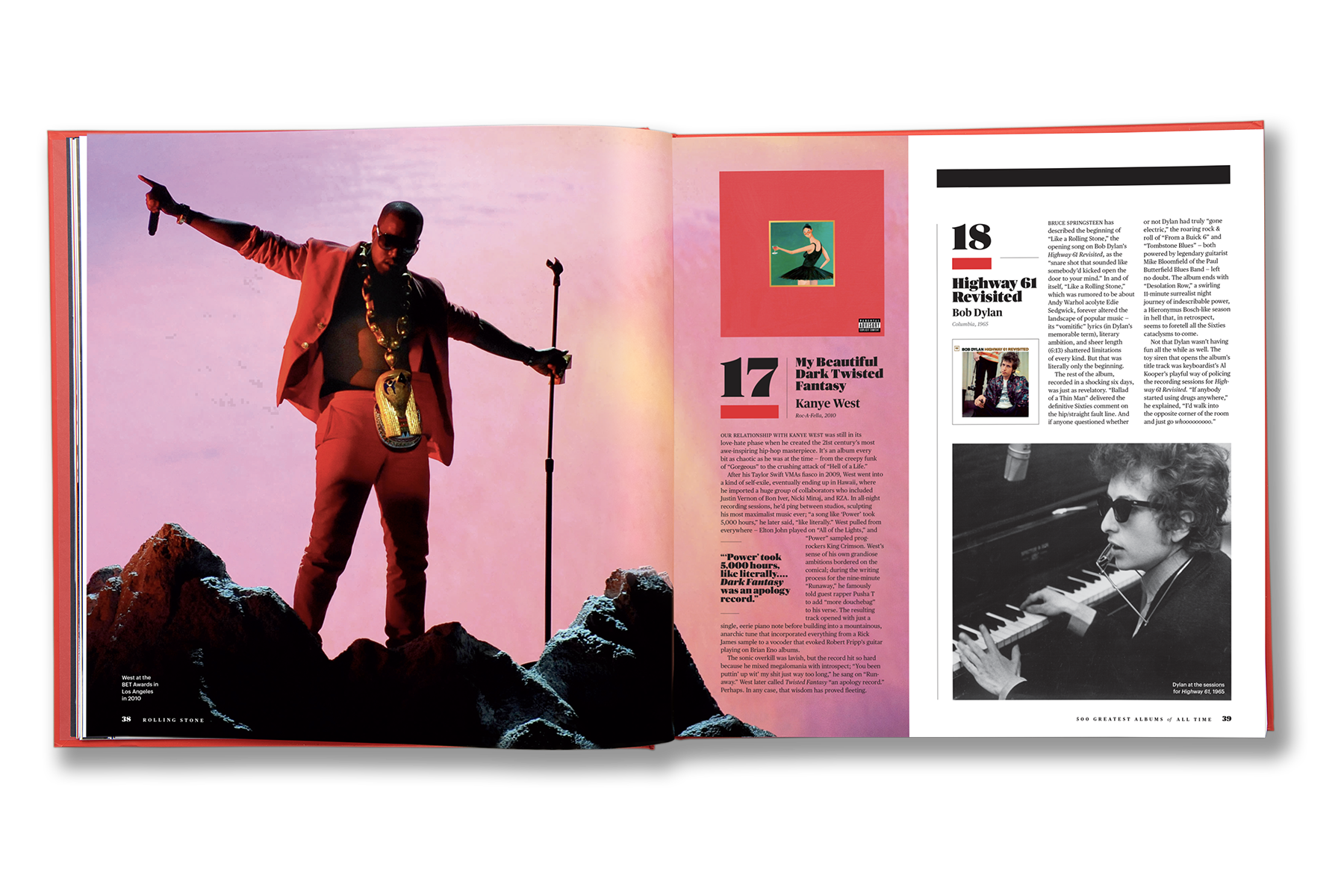
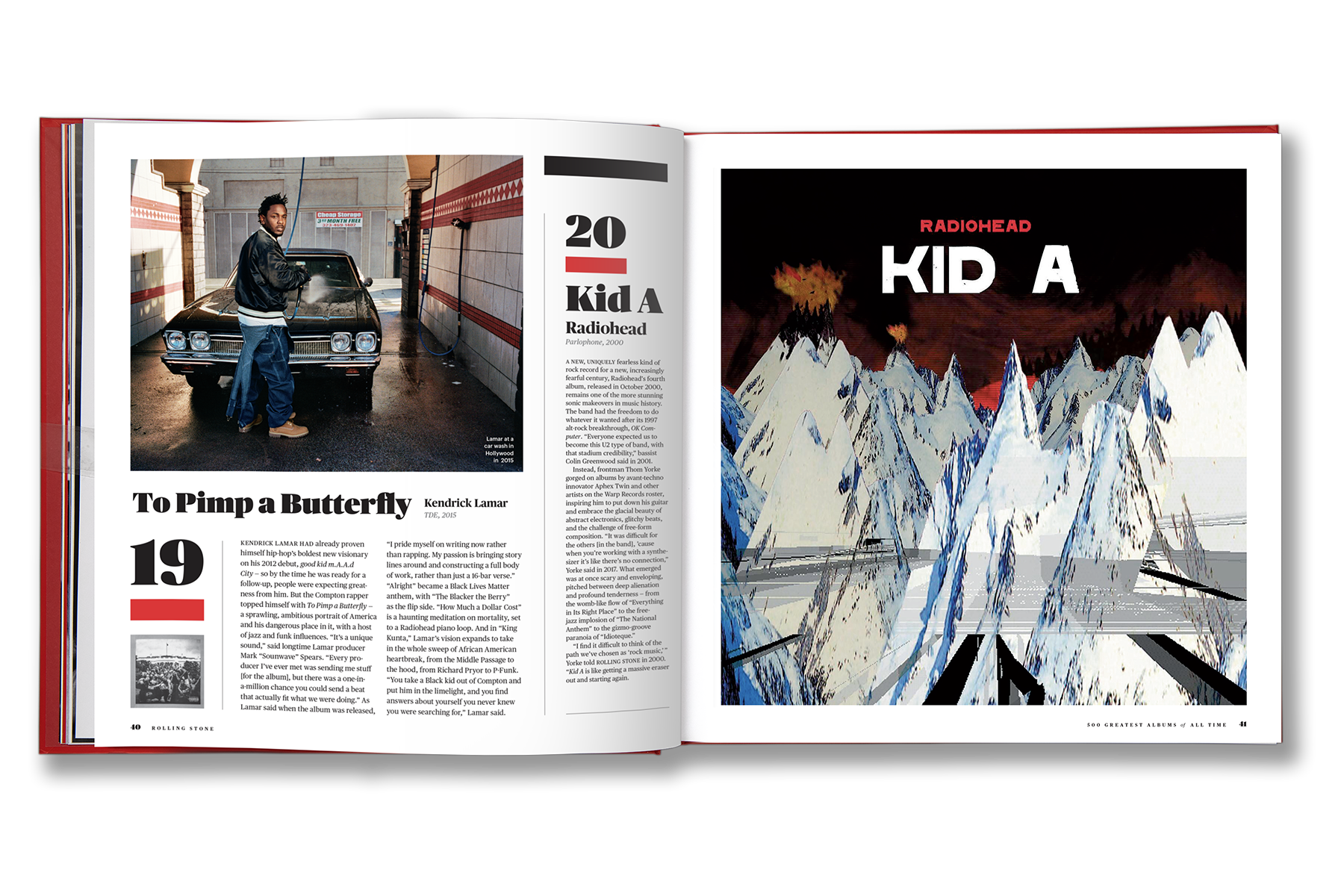
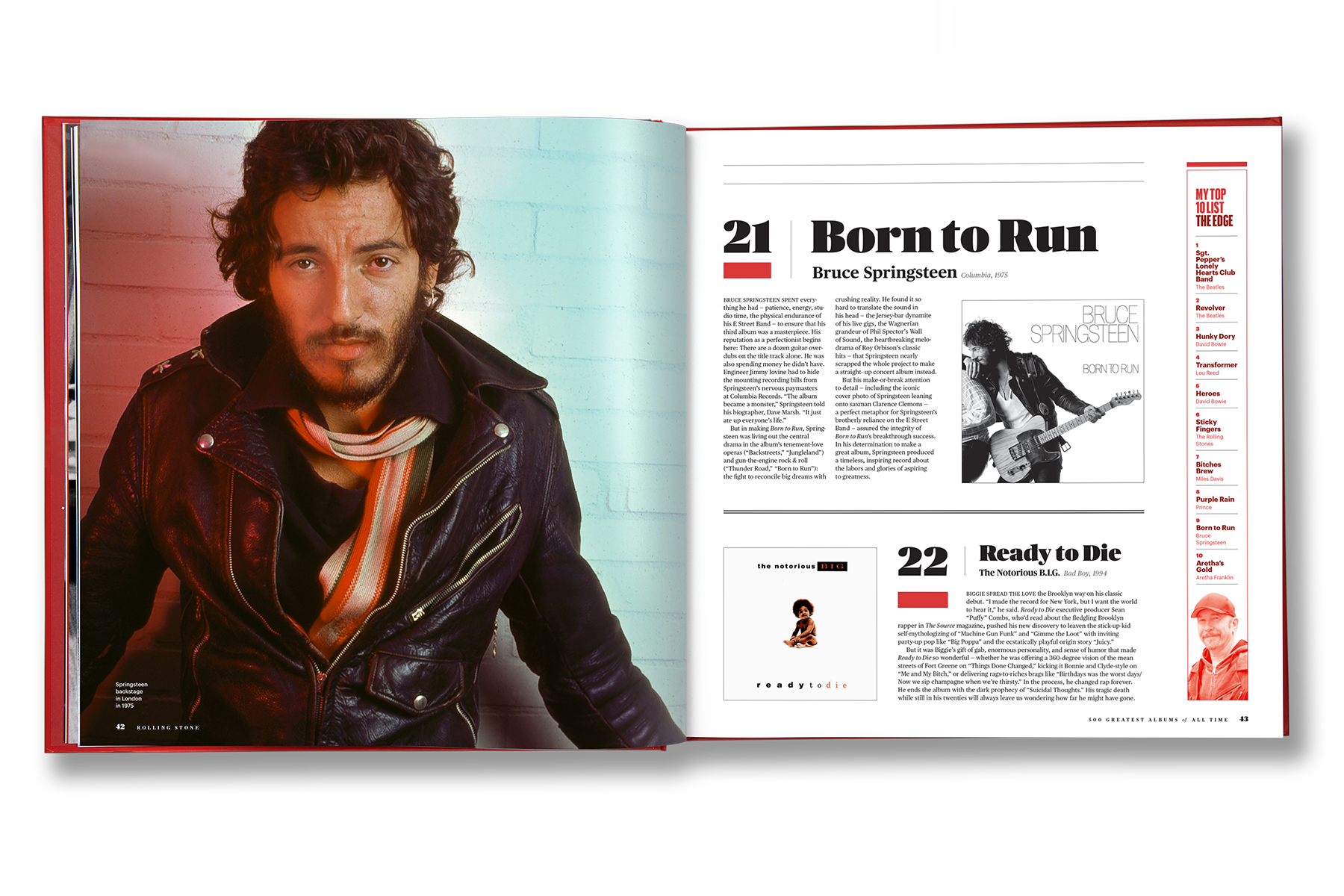
Art directed in collaboration with the editorial team at Rolling Stone and Abrams New York, Rolling Stone: The 500 Greatest Albums of All Time is a fully reconceived 350-page volume celebrating the albums that defined popular culture. Through a bold editorial design system, the book elevates album art, photography, and typography into a cohesive narrative, transforming the magazine’s iconic list into a visually immersive record of pop music history.
-
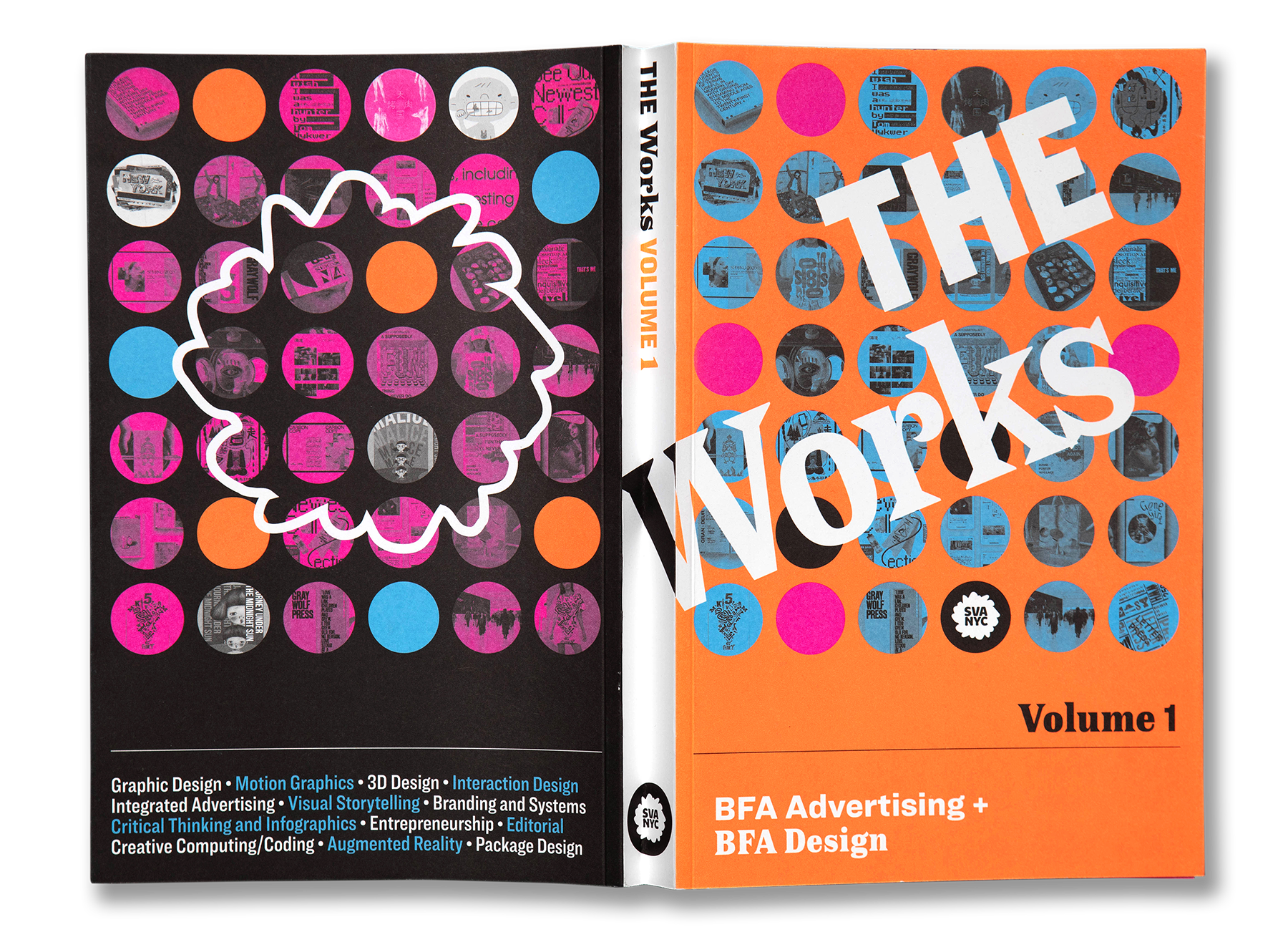
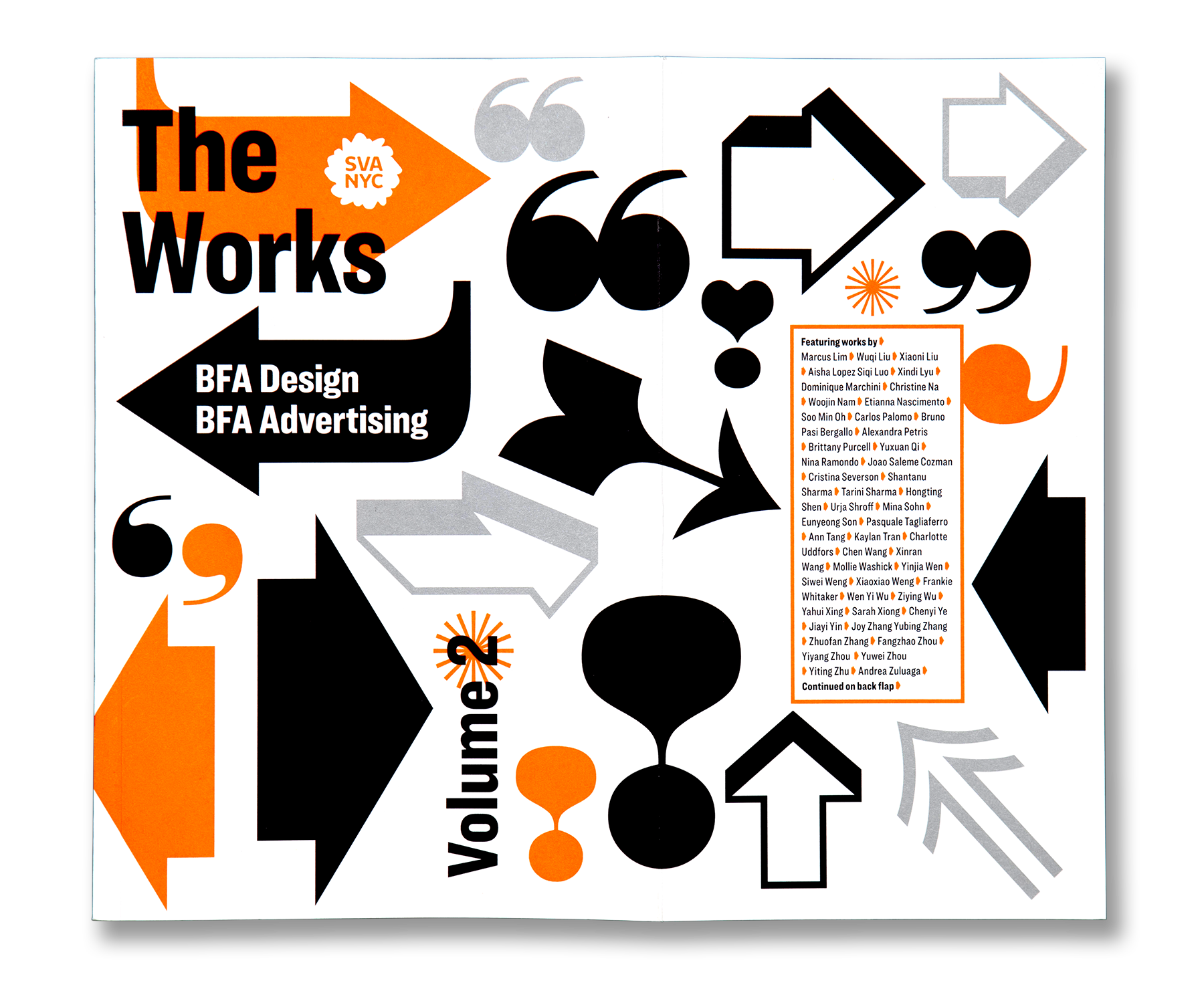
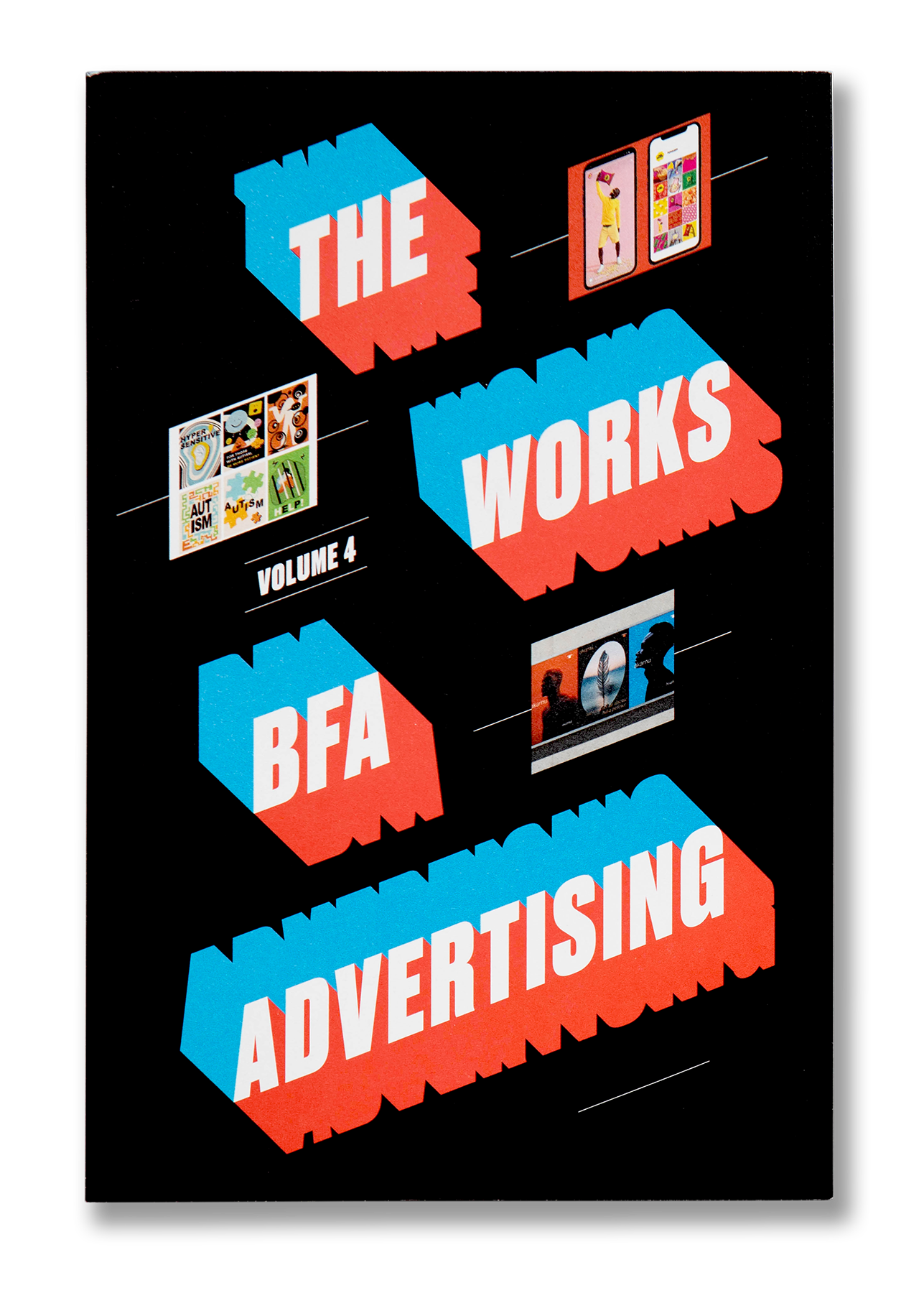
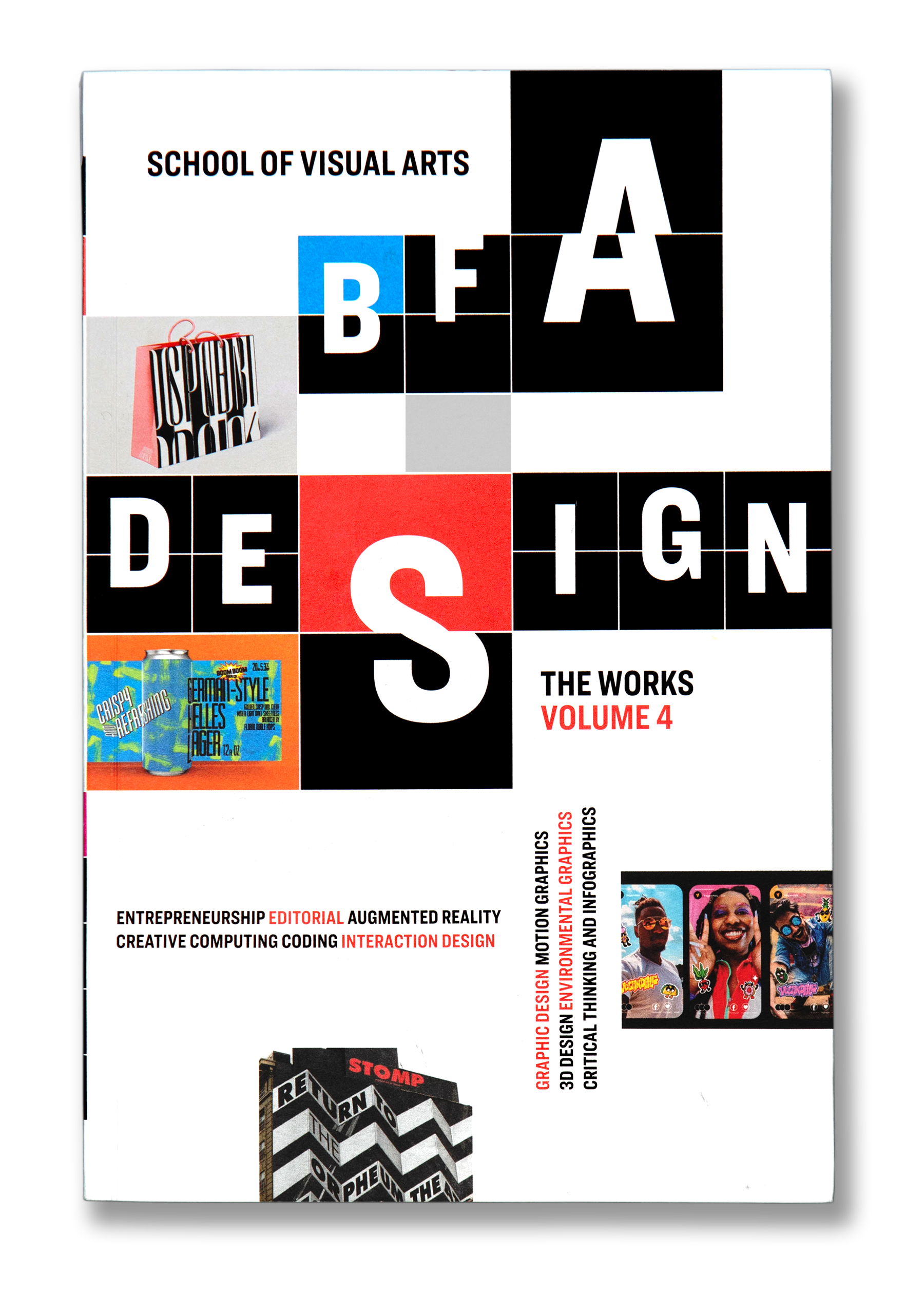
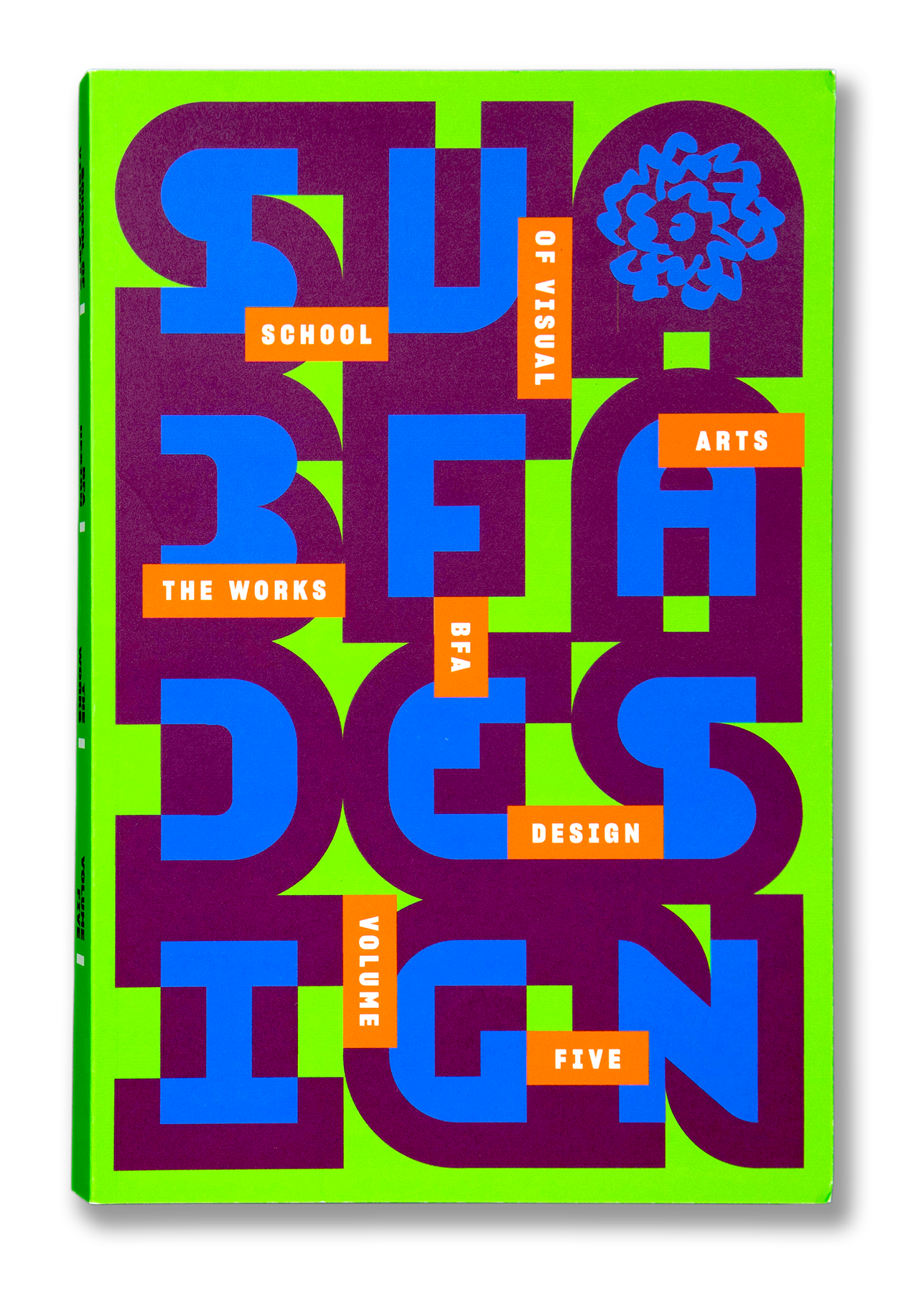
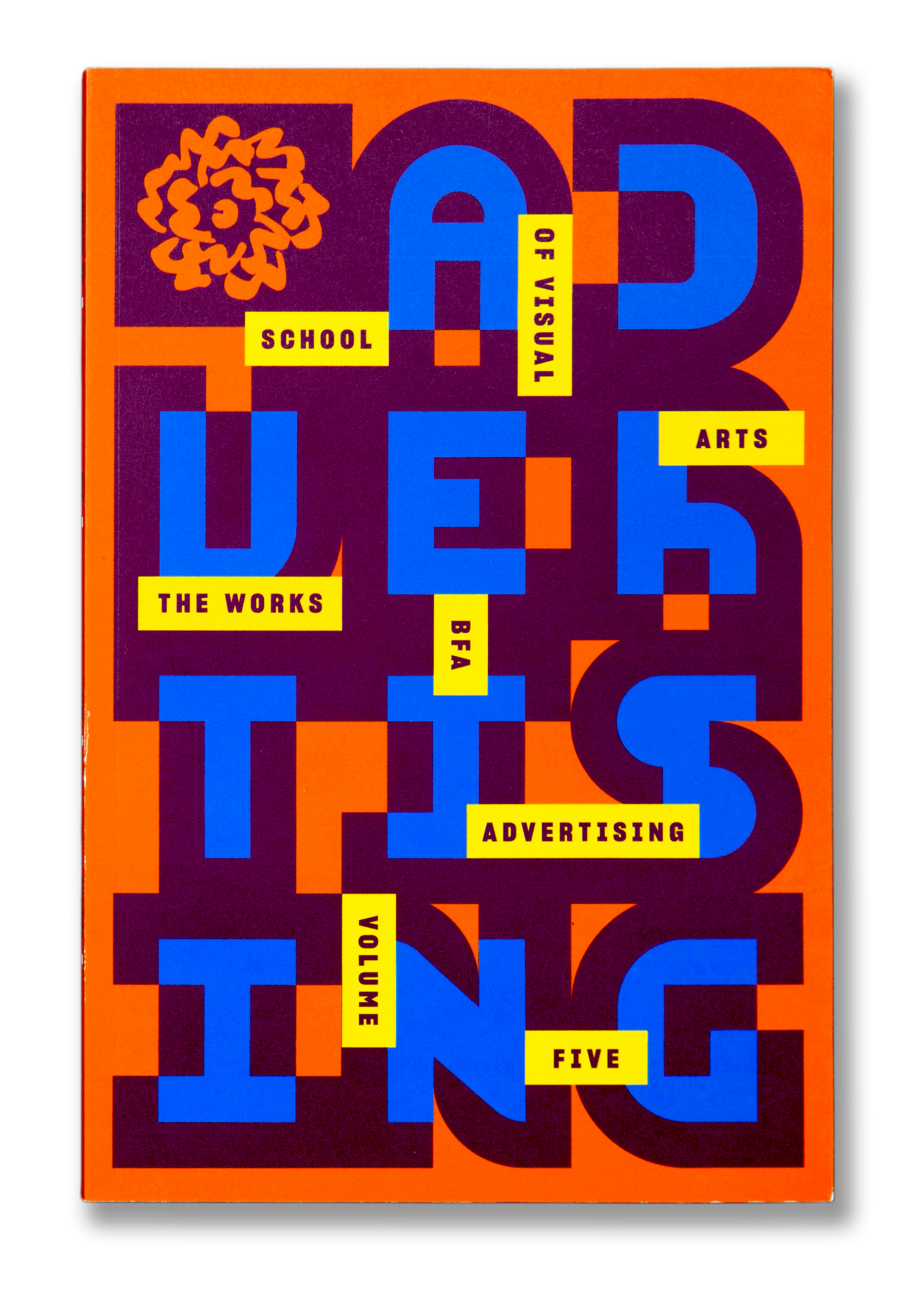
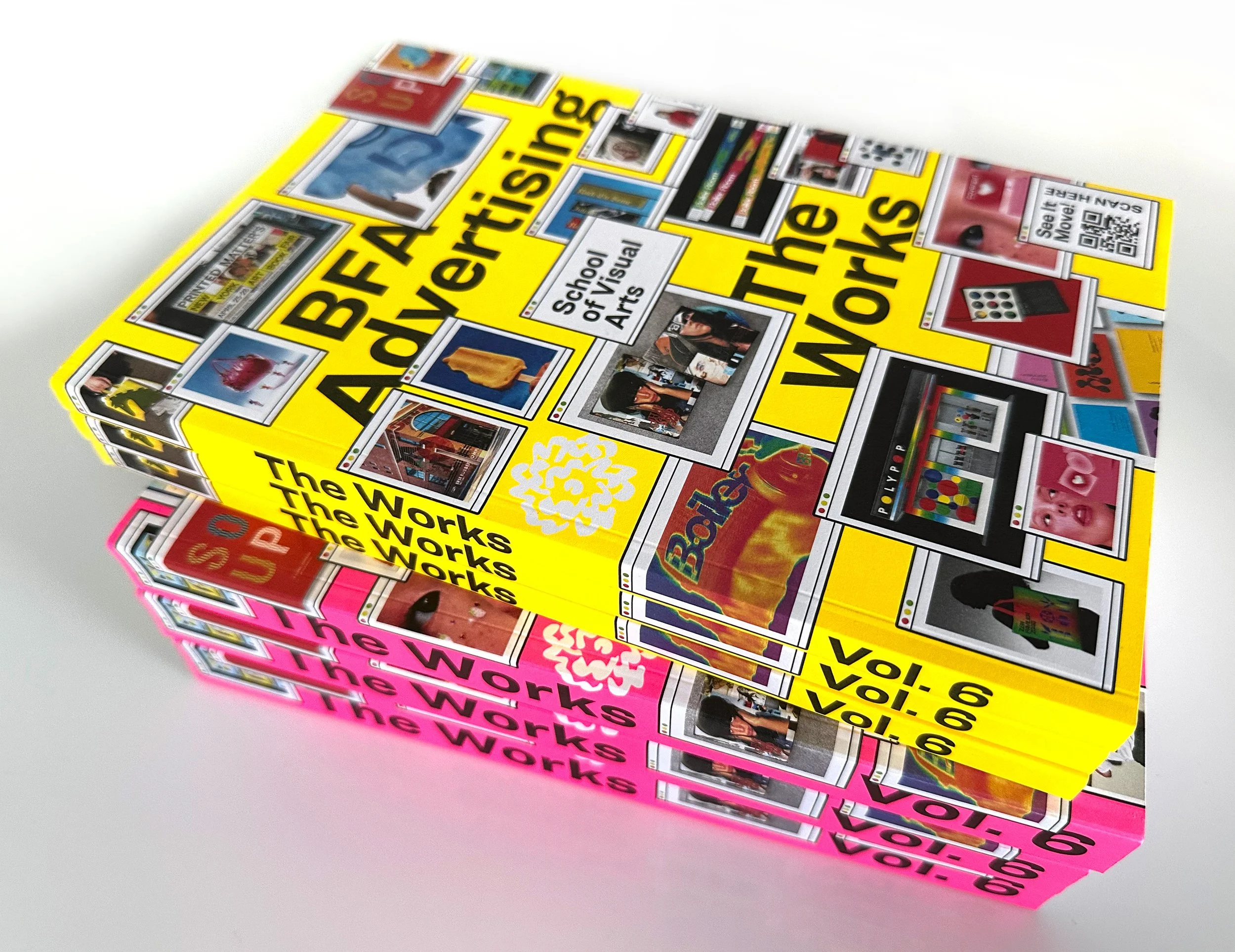
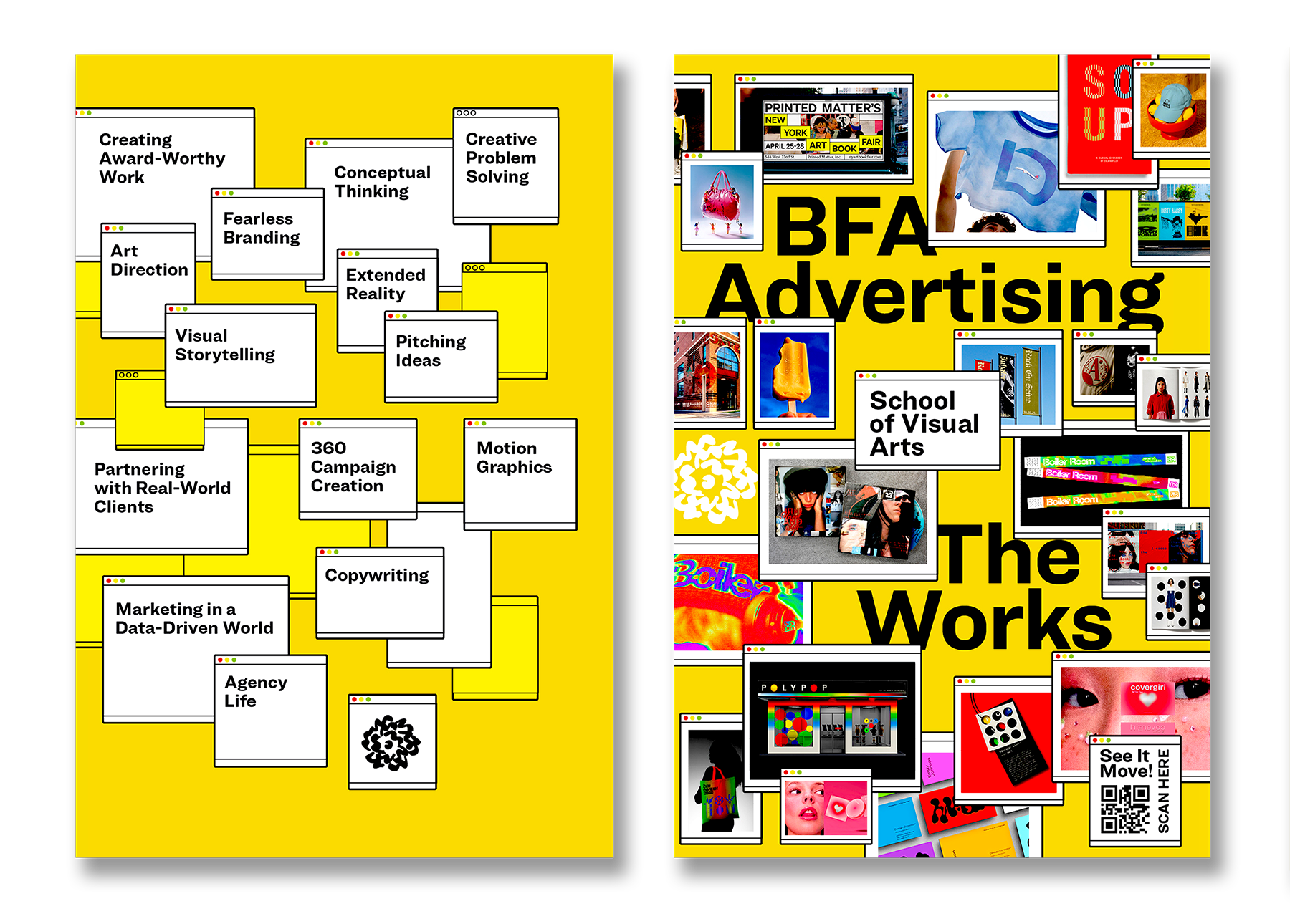
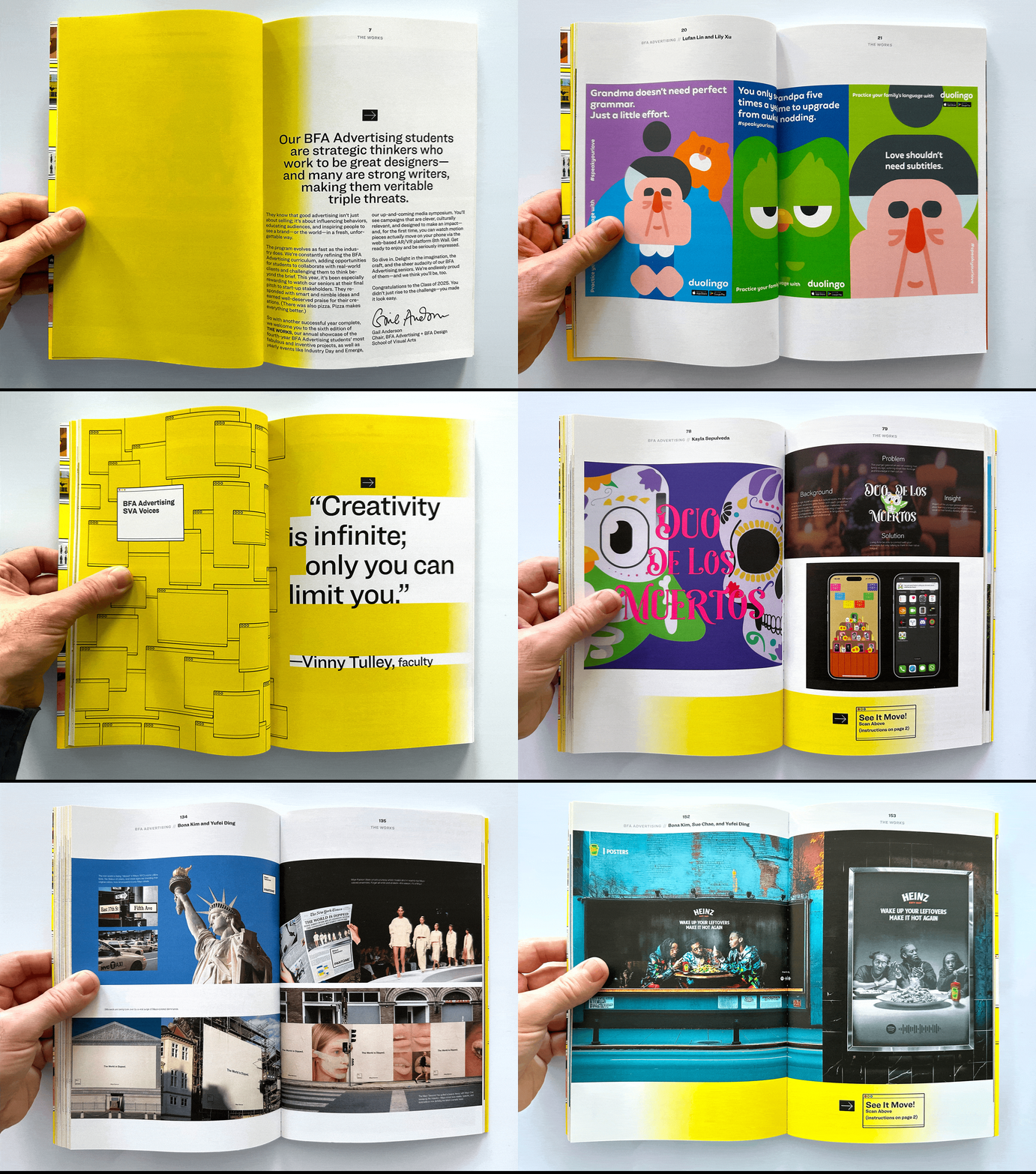
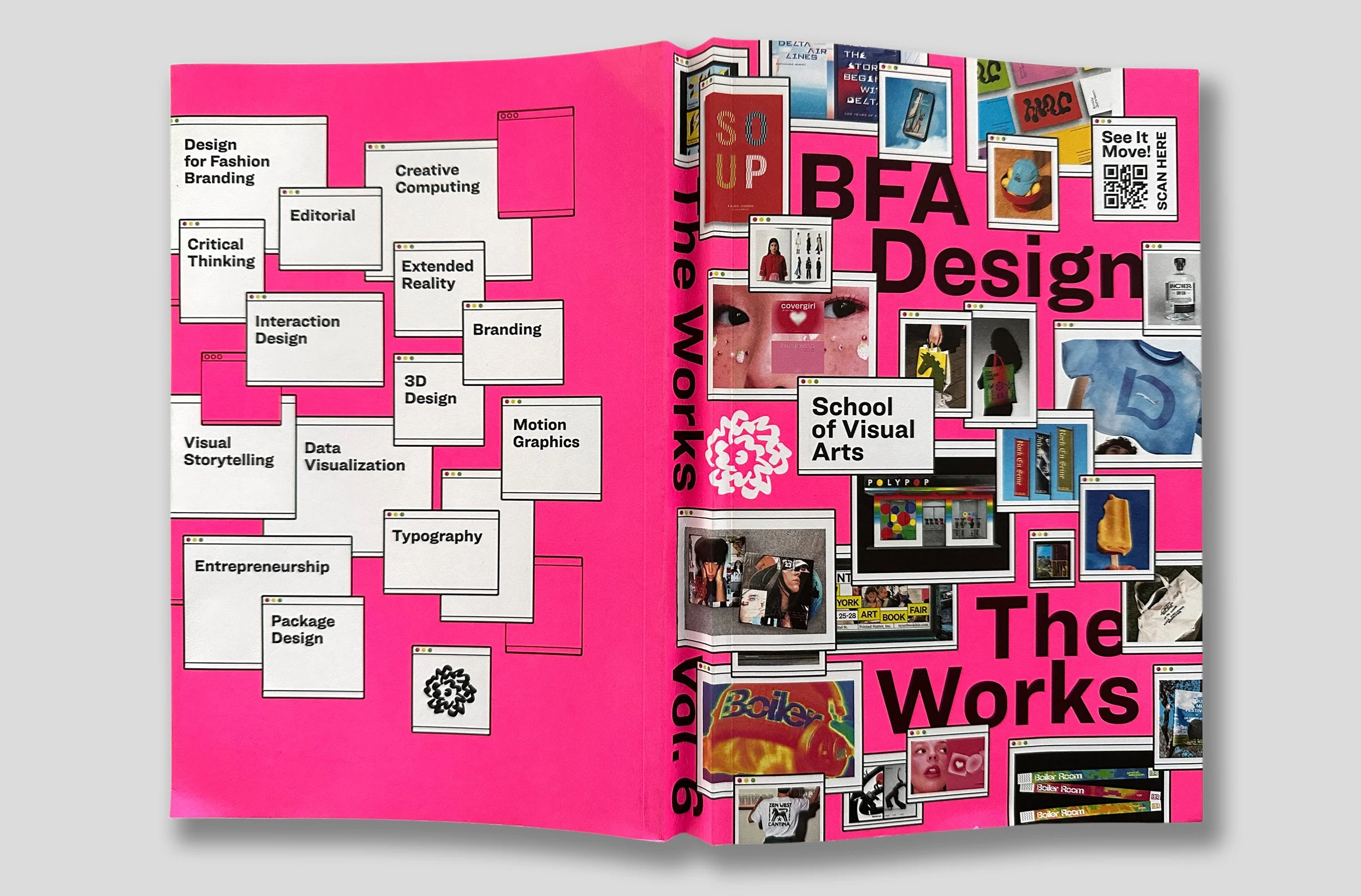
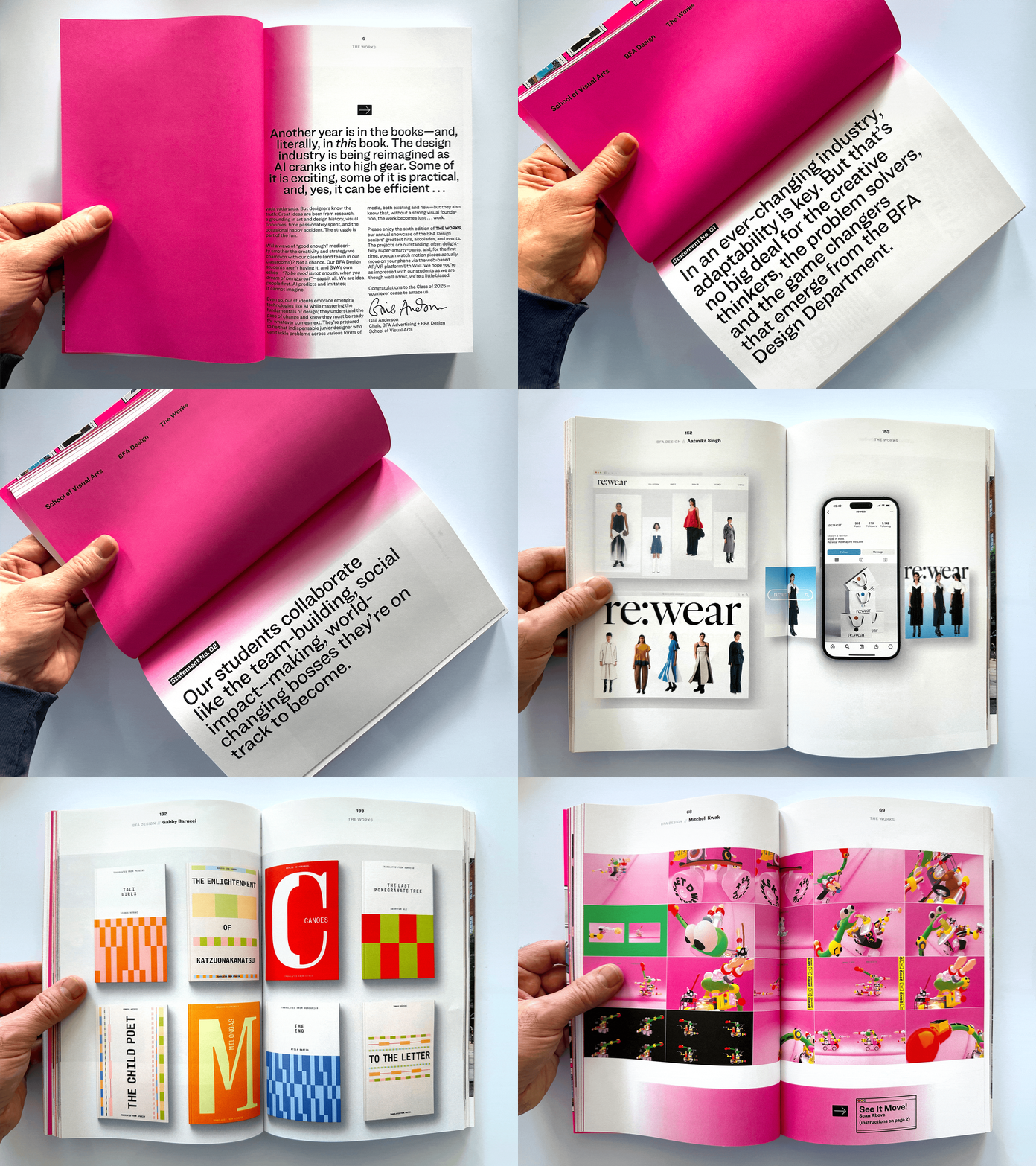
The Works is an annual two-volume publication showcasing graduating seniors from the BFA Graphic Design and BFA Advertising programs at the School of Visual Arts. As Art Director, I have overseen the publication’s evolution from its origins as a single volume into two distinct yet formally connected books, each reflecting its department while sharing a cohesive visual language.
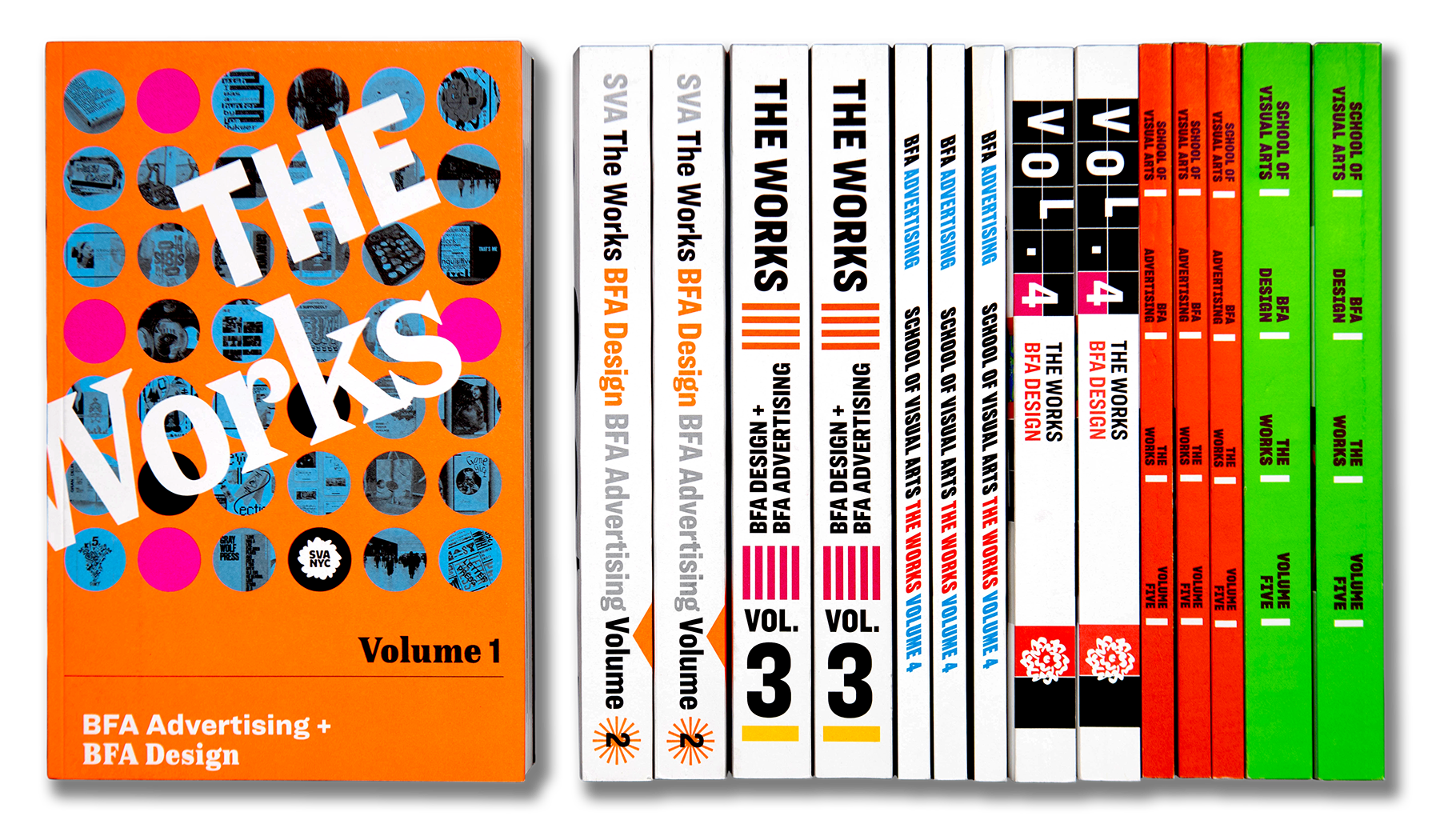
The covers have established a tradition of bold, high-impact design, often employing fluorescent color and customized typography. Shown here are selected covers from volumes 1–6. Inside (of the most recent editions) you will find standout student work is interwoven with editorial features documenting lectures, workshops, awards, and academic life, presented in a punchy, art-school vernacular that balances expressive energy with clarity.
-
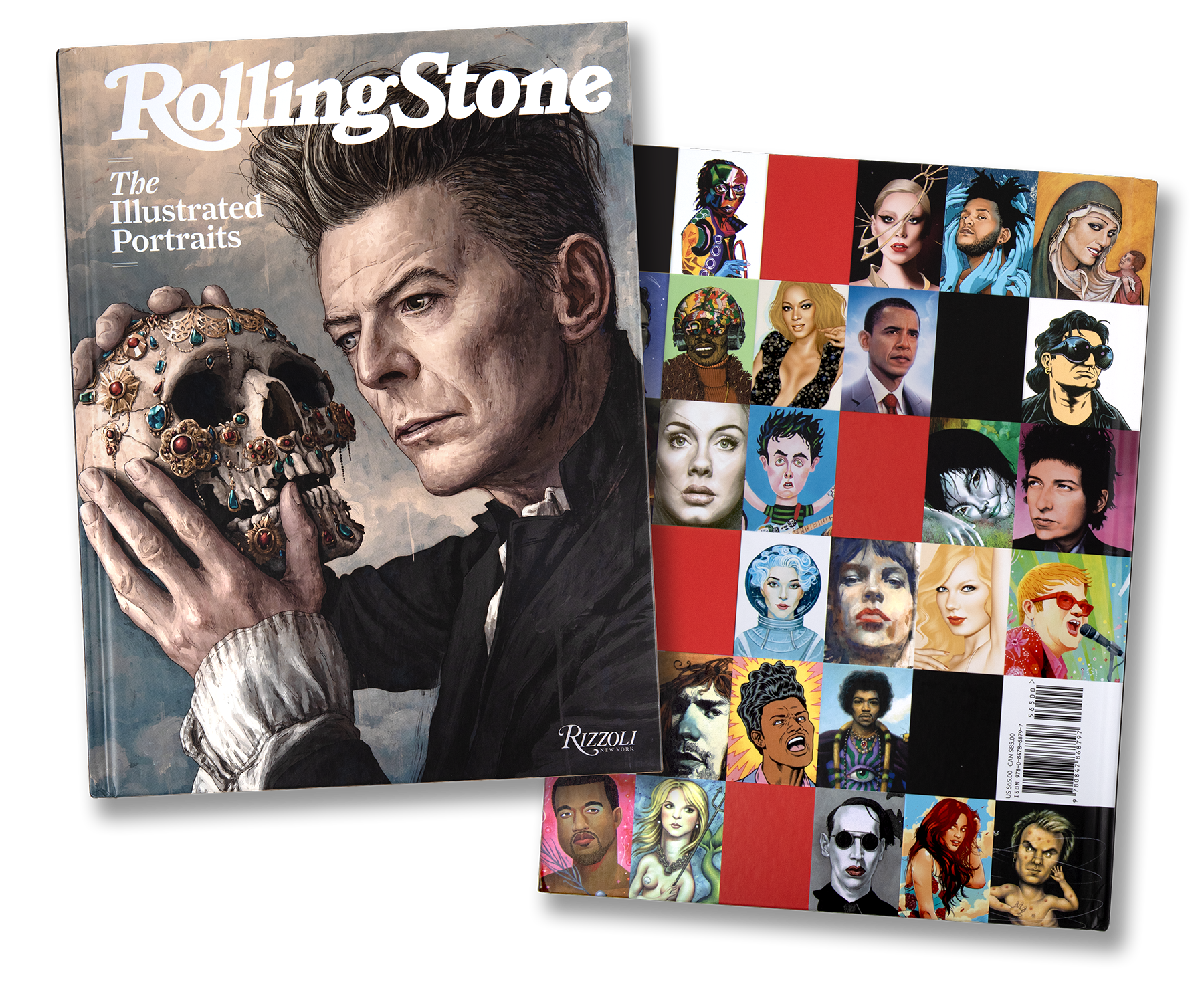
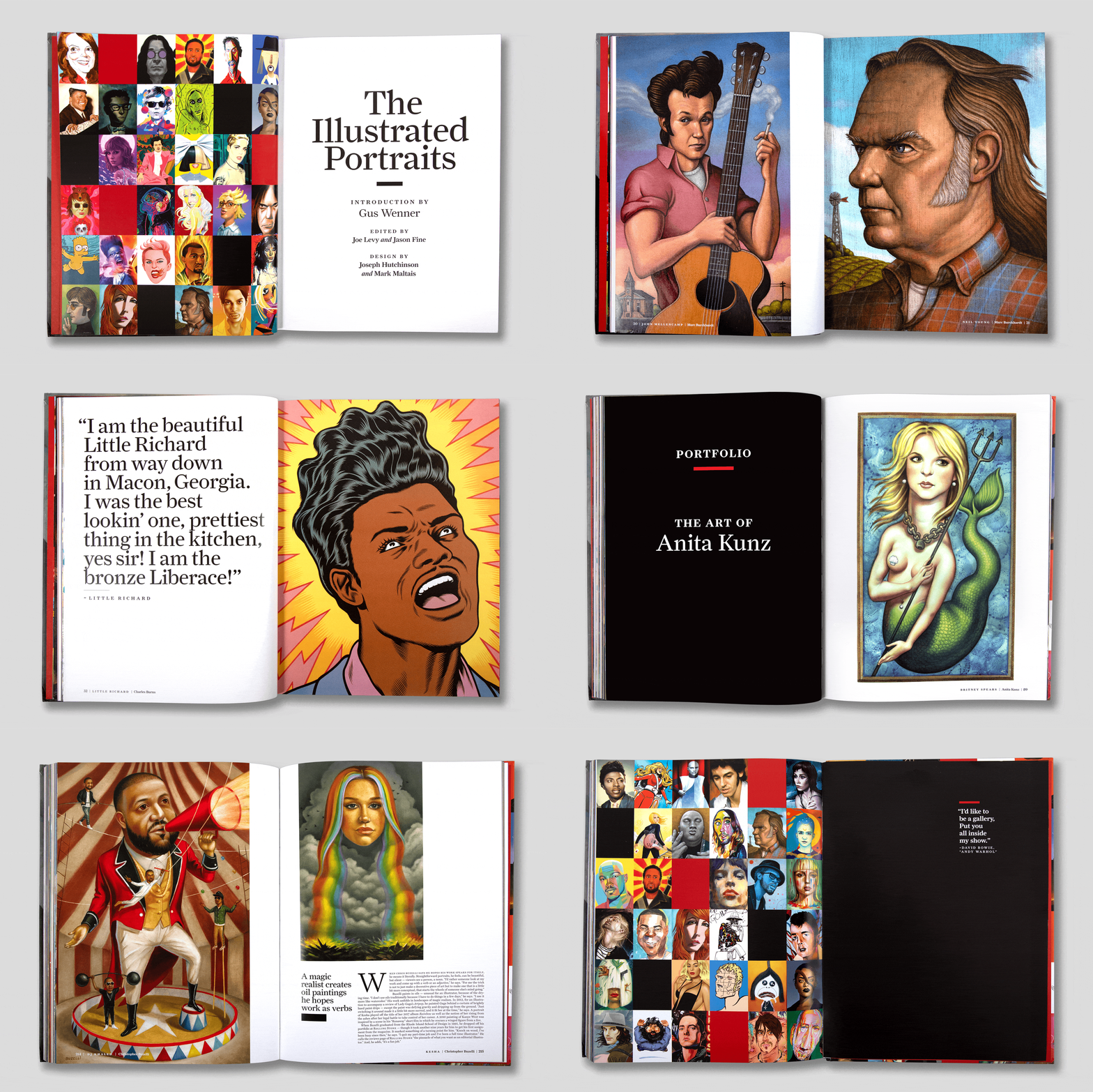
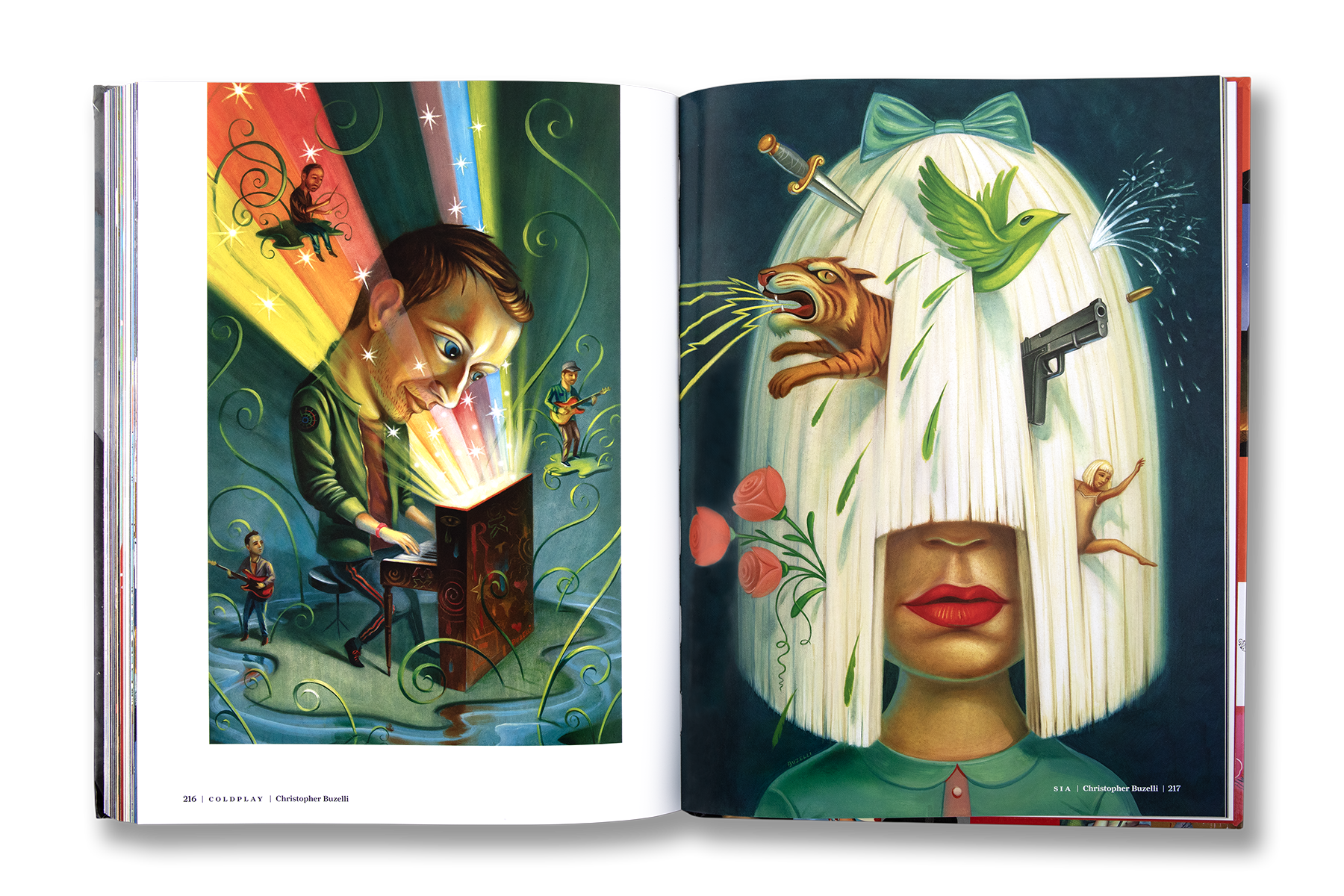
Developed in collaboration with the editorial team at Rolling Stone and Rizzoli International, this book honors the remarkable artists that have graced the pages of the iconic magazine for over 50 years. Working on the project offered comfort during COVID lock down. But because of the timing, when the book was released, it didn’t get the attention it deserved. I’d like to take this moment to finally celebrate these remarkable portraits. Several of them had been originally commissioned by me as openers for the magazine’s storied “Record Review” and “National Affairs” columns, which have long been places where music, art, politics and passion combine.
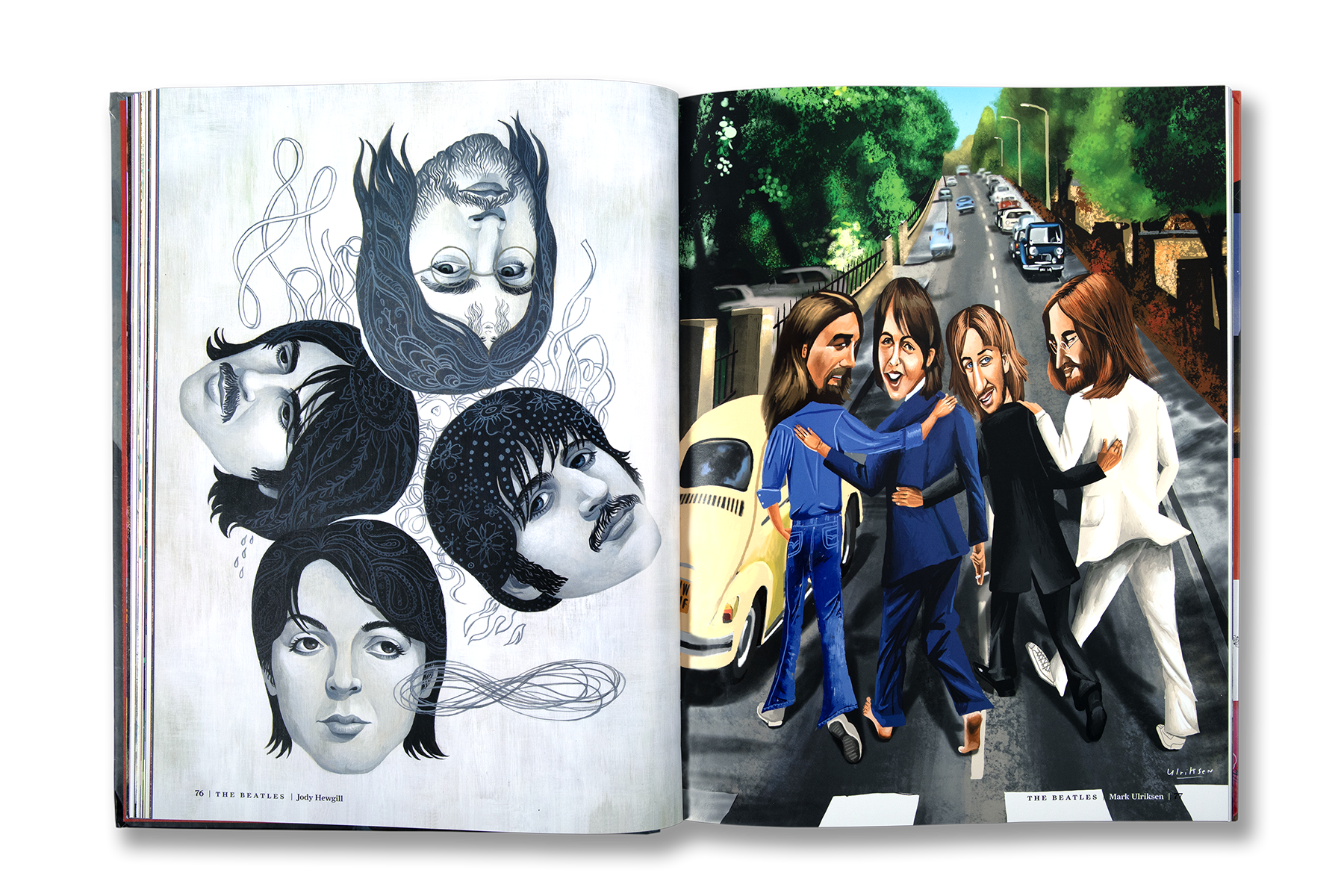
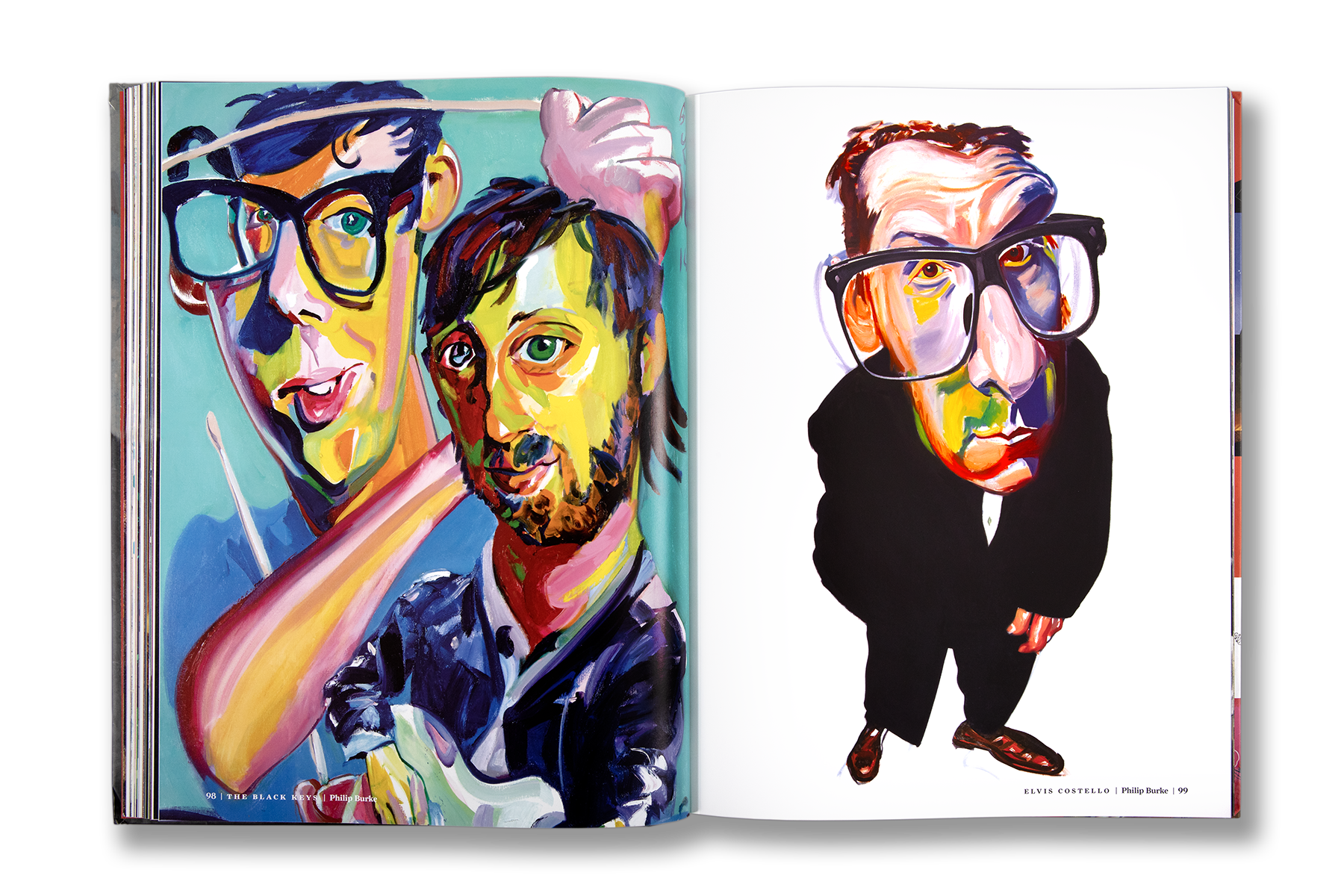
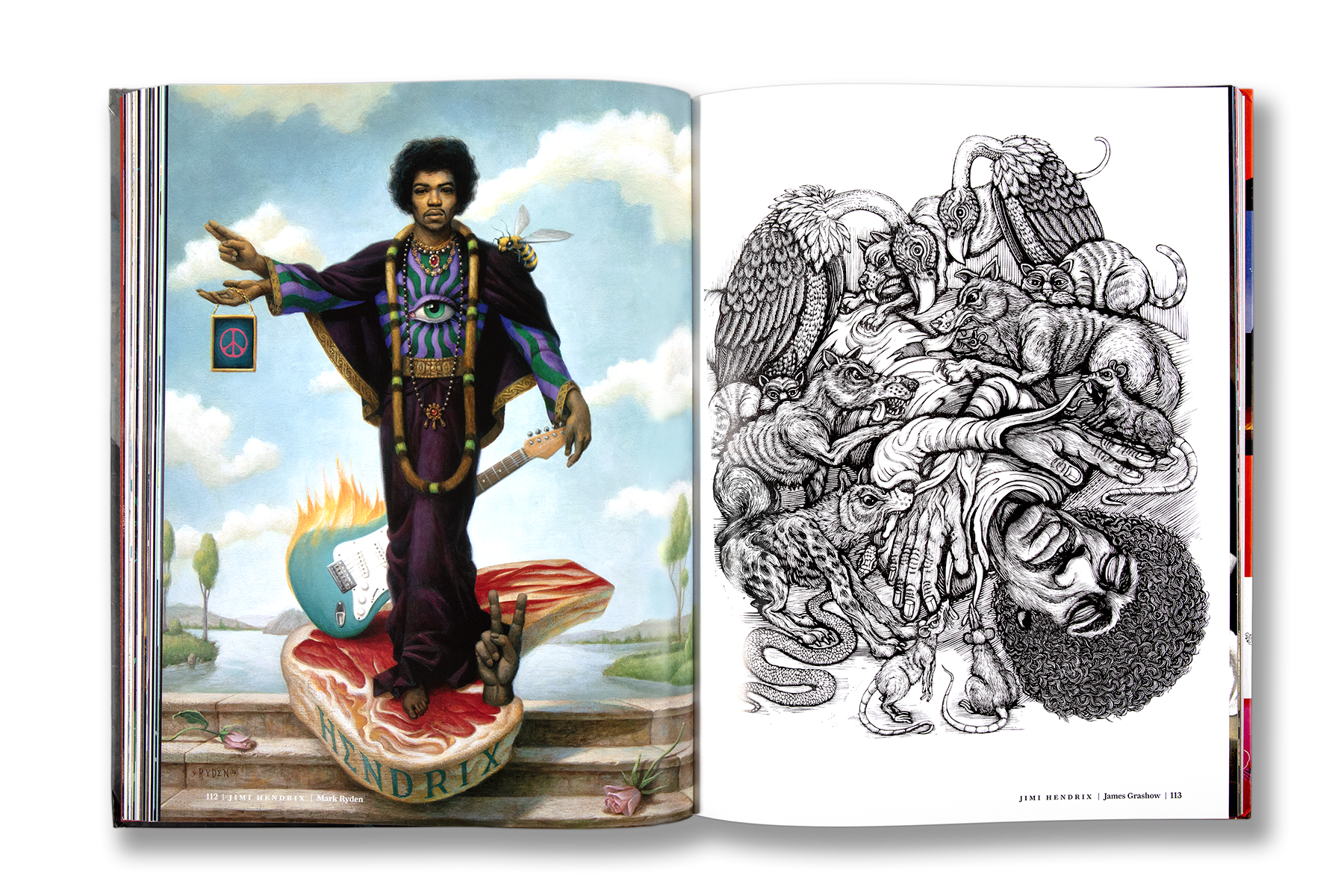

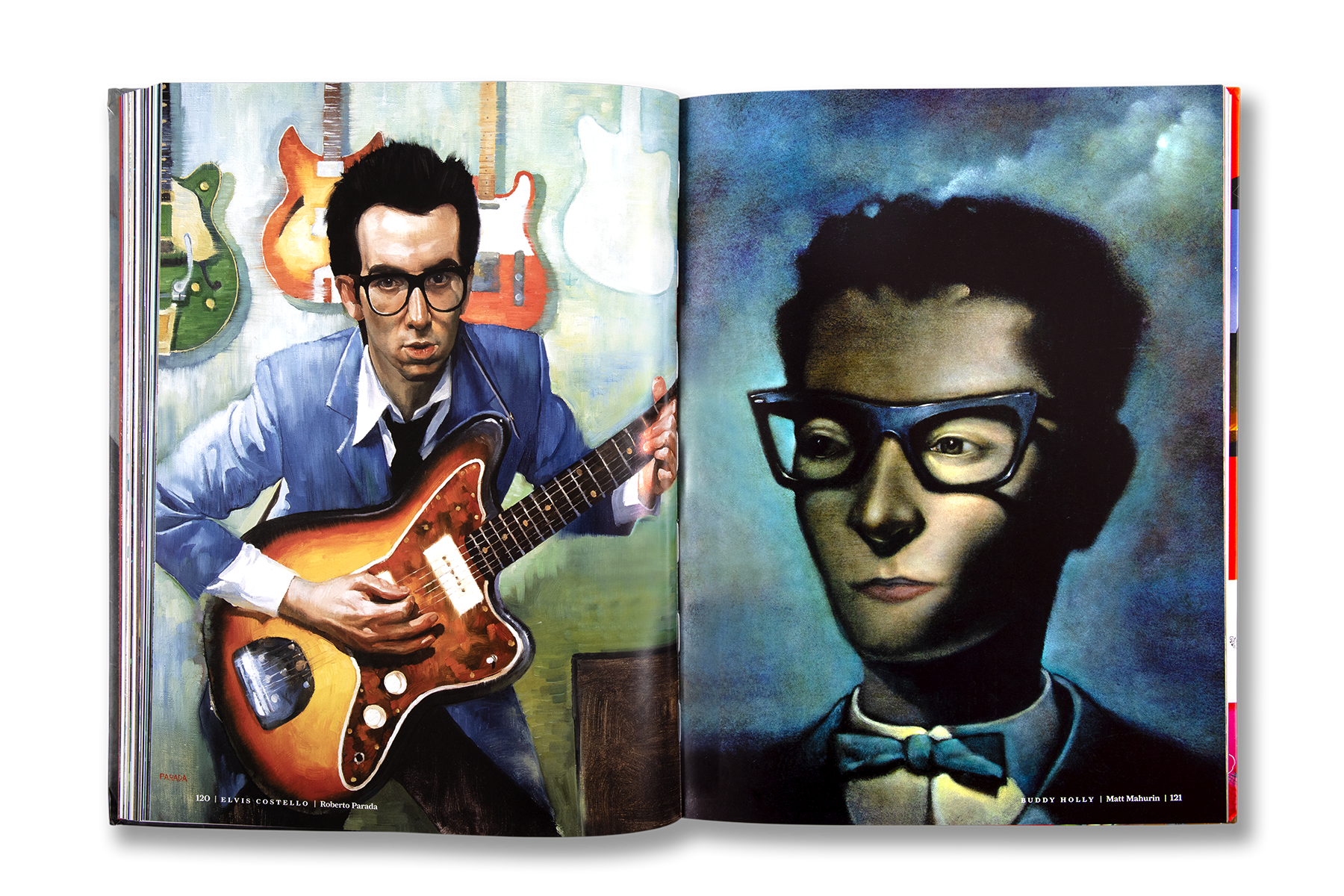
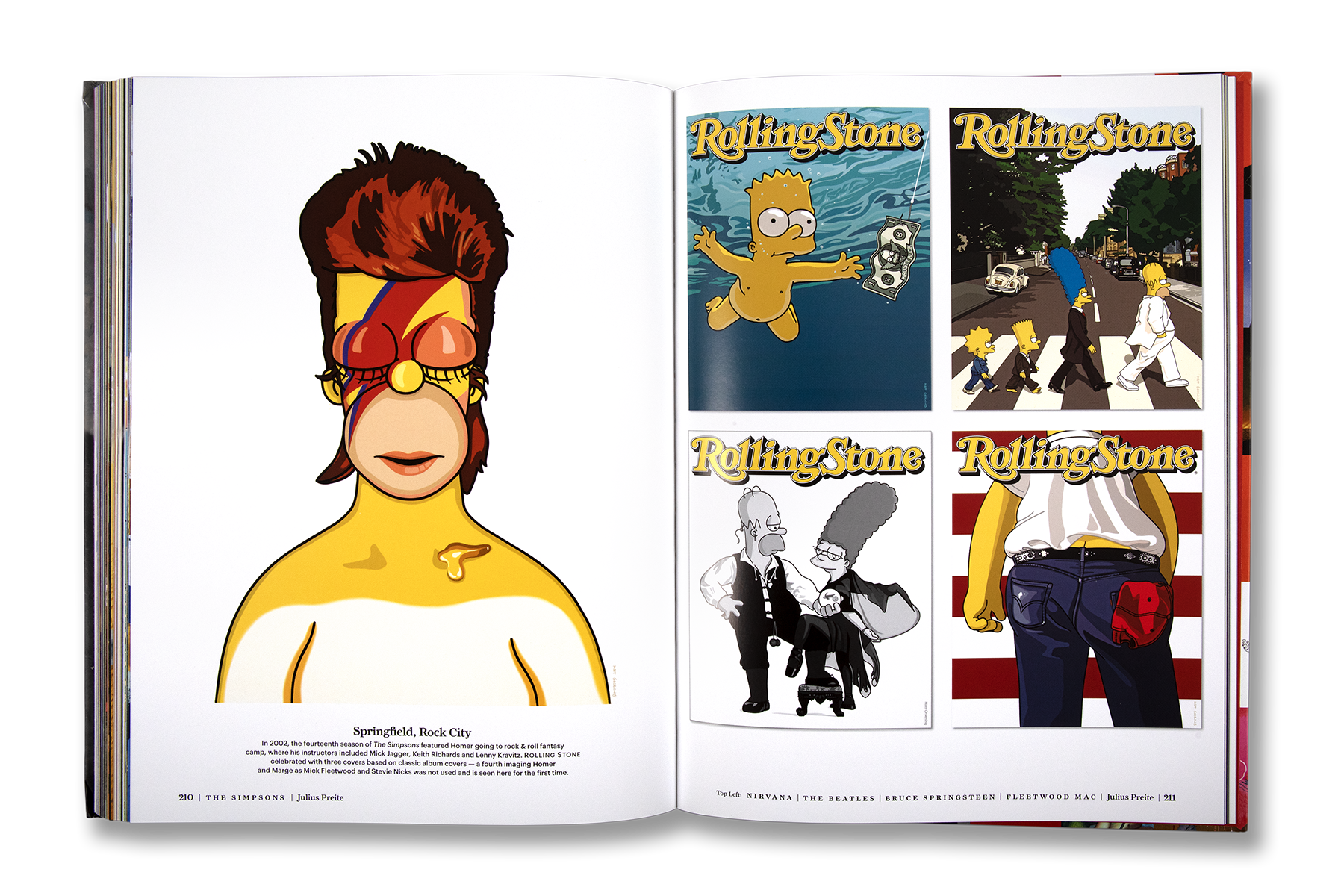
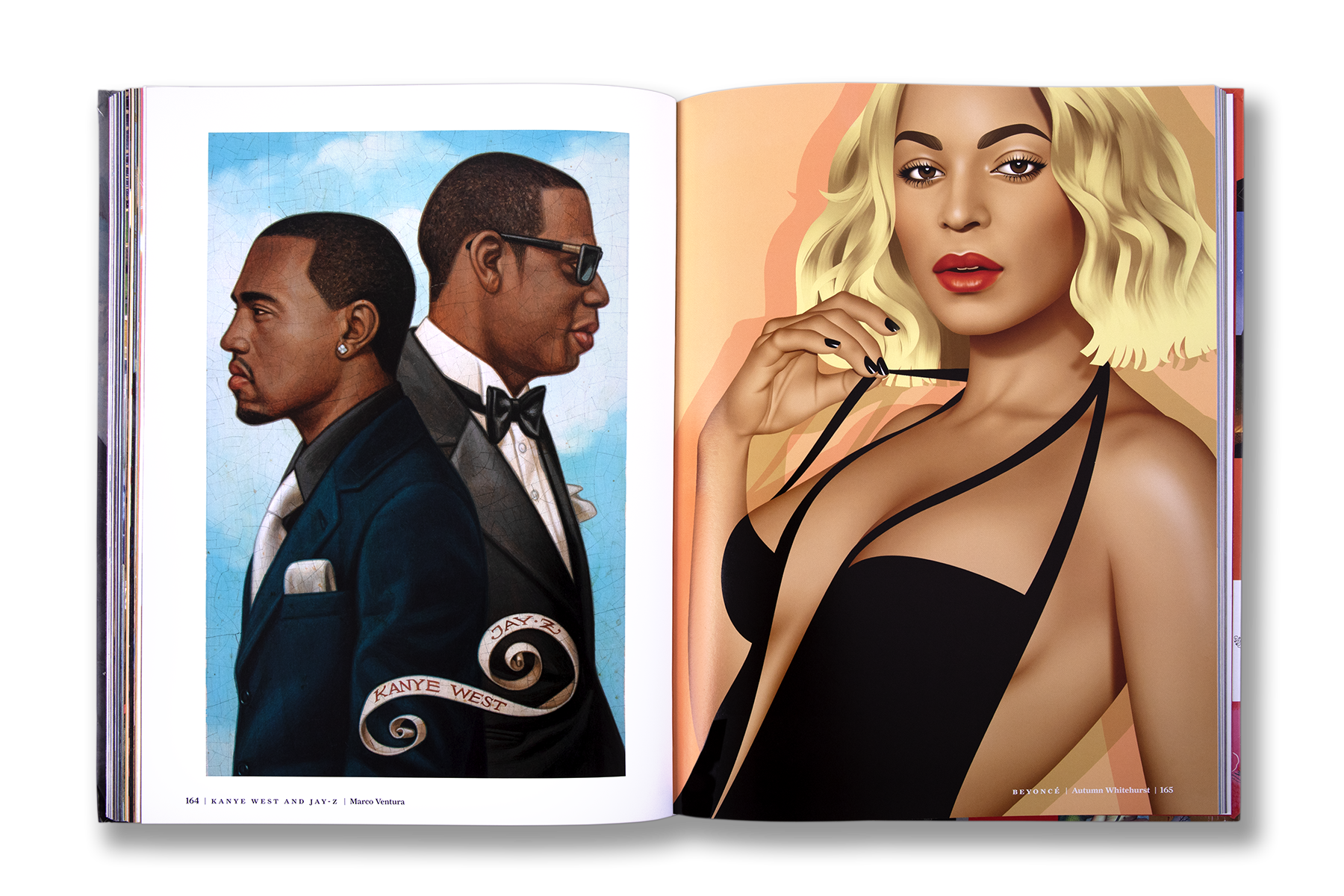
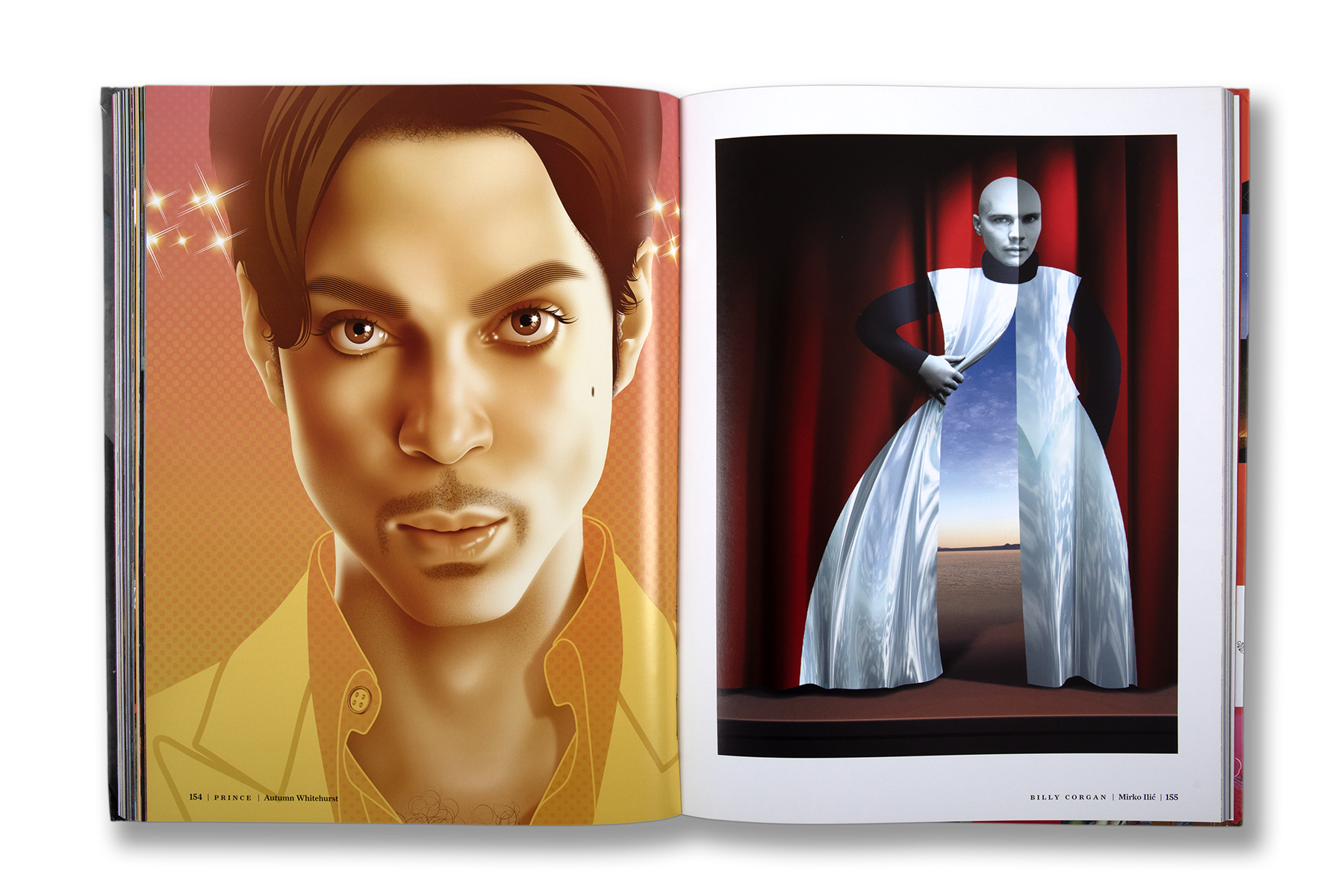


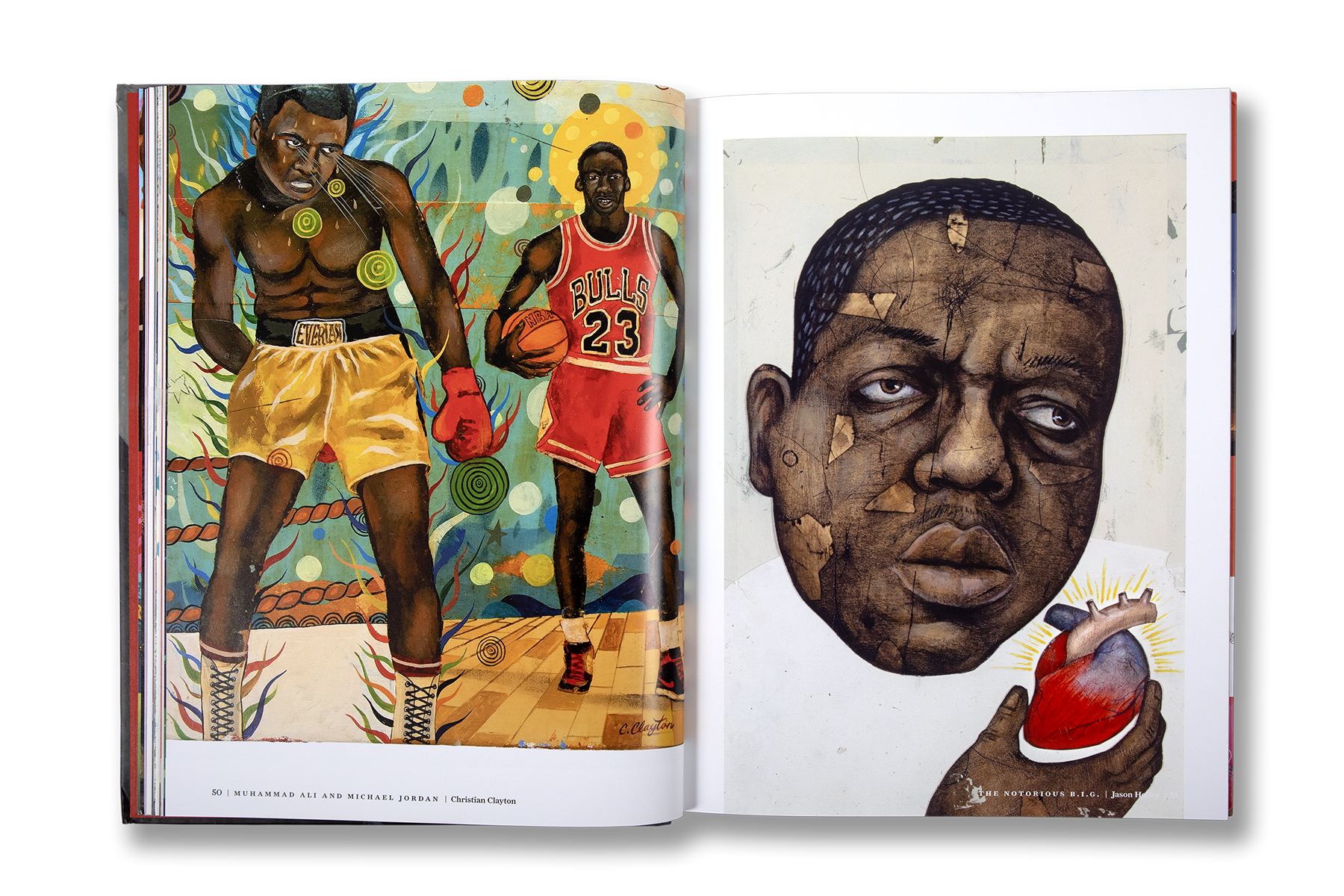

-
In what became my first assignment for Rizzoli / Universe Publishing, Self-Exposure brings together more than 100 works by both established masters and emerging photographers, many never before published. This groundbreaking collection traces the evolution of the male self-portrait from its earliest expressions—by pioneers such as Hippolyte Bayard, Herbert Tobias, and André Kertész—to contemporary interpretations by artists including John Dugdale, Anthony Goicolea, Andy Warhol and Yasumasa Morimura.
Across the book, each artist approaches the form with a distinct sensibility, ranging from the shockingly perverse and aggressively erotic to the introspective, elusive, and sublimely beautiful. Accompanied by concise artist biographies, Self-Exposure offers a compelling survey of the male nude self-portrait and the many ways artists have used their own bodies to explore identity, sexuality, and self-representation.

-
During the Obama administration, I was invited to art direct the design of a two-volume, 340-page report to the U.S. Congress on the benefits of expanding internet capacity in the United States. The smaller companion volume shown here visually articulates the key recommendations of the Broadband Taskforce at the Federal Communications Commission, using bold typography, custom photography, and integrated statistical graphics to support the report’s findings. Some data included in these pages remained theoretical at the time of publication. One hundred million Americans without internet access at home were aided by the report recommendations.